Blog

  • Why I Switched to cTrader — My Real-World Take on the Platform, the App, and the Download

    Whoa! That first moment I opened cTrader felt like stepping into a trading floor that actually listened. The interface was clean and the charts loaded fast. At first I was skeptical — many platforms promise speed and then bog down with clunky menus. But then the order entry felt… intuitive, and that hooked me.

    Wow! The thing that grabbed me was the execution. Slippage was smaller than I expected. My gut said this would matter for scalping, and it did. Initially I thought speed was just marketing fluff, but after a week of live micro-trades I realized the difference mattered in real money. Actually, wait—let me rephrase that: the difference matters when your strategy depends on tight spreads and quick fills, which is most of mine.

    Really? The charting deserves a shout-out. The indicators are robust. You can stack custom ones, and cTrader supports cBots for automation, which means you can script strategies without very very convoluted workarounds. On one hand you get the polish of a modern UI, though actually there’s depth under the hood that most people miss until they try to optimize a live algo.

    Hmm… mobile matters too. The cTrader app mirrors desktop features more closely than some rivals. That surprised me. My instinct said mobile would be pared down, but they kept charting features and order types—so you don’t need to baby your trades when you’re away from the desk. (Oh, and by the way… the layout on tablets is neat, especially for news-driven setups.)

    Screenshot showing cTrader desktop layout with charts and order ticket

    Why traders I know actually choose cTrader

    Here’s the thing. Execution, transparency, and automation are the big three for active traders. cTrader checks all three boxes. You get level II pricing, clear order flow, and an API that isn’t obtuse. On the downside, you might miss the huge marketplace of third-party tools that other legacy platforms amassed, though many developers are building plugins and cBots keep closing the gap. I’m biased, but for someone who codes and trades, this platform just fits like a glove.

    Whoa! There are legit pros beyond speed. The DOM (depth of market) view is more readable than most. You can place limit, stop, and advanced orders quickly and visually. Some platforms hide these behind 3-click menus; cTrader puts them where you can actually use them in the heat of things. My trading buddy — who is very particular — remarked the UI “felt honest”, which cracked me up but also resonated.

    Getting started and where to get the cTrader download

    If you want to try it, you can fetch a clean installer via this link for an official-looking source: ctrader download. Follow the installer prompts and then log into your broker account. Some brokers offer a demo seed balance so you can wet your feet without risking capital, which I strongly recommend. One caveat: check whether your broker provides full access to cTrader features or limits API access — that distinction matters if you plan to run cBots or connect third-party analytics.

    Whoa! Installation is usually painless. But, somethin’ to watch is the account setup step where brokers sometimes default to demo servers you didn’t mean to pick. That tripped me once, and I lost a morning chasing a phantom order. Also the desktop runs well on macOS through compatible installations, though your mileage varies. I’m not 100% sure of every edge case, but overall the setup curve is mild.

    Seriously? The cTrader app experience is not just “mobile lite.” Position sizing, trailing stops, and OCO orders are available on phone. For discretionary traders who travel, that matters more than people think. On the flip side, if you rely heavily on a sprawling third-party ecosystem, you might find some integrations still catching up.

    Initially I thought cBots would be an afterthought, but then I started building one for a breakout strategy. The learning curve was reasonable. The codebase uses C#, which is a win if you already know the language, and the backtesting tools are solid enough to refine entry and exit rules without guessing. However, backtests can give you overconfidence—so I stress-test in sim and live micro accounts before scaling up.

    Here’s a little workflow tip. Use the visual strategy tester to check edge cases, and then run the same parameters in a forward-testing demo for at least 2-4 weeks. That approach saved me from a bad parameter that looked great historically but failed under live volatility. Traders often assume backtest metrics will seamlessly translate to live; they won’t. Not without sanity checks.

    Real limitations and what bugs me

    I’ll be honest — the community around cTrader is smaller than some giants. That means fewer pre-made indicators and a smaller forum of casual users. This part bugs me because quick fixes aren’t always a Google away. On the other hand, the developer docs are tidy and the official samples are useful. So you trade one kind of friction for another: less noise, slightly less third-party redundancy.

    Wow! Another gripe: some brokers layer fees in non-obvious ways. The platform itself is straightforward, but your net cost depends on spreads, commissions, and swap rates. Do the math before moving large positions. My trading plan forces a pre-check on all those variables, and you should too.

    Something felt off about the first few updates I saw, but then the team iterated quickly. The cadence of patches and small improvements has been encouraging. On one hand the platform already feels mature; on the other hand, active development keeps adding niche features that actually help day-to-day trading.

    FAQ

    Can I use cTrader for automated trading?

    Yes. cTrader supports cBots written in C#, with backtesting and optimization tools. You’ll want to validate performance in demo environments and forward-test to mitigate overfitting.

    Is the mobile app fully featured?

    Mostly yes. The app carries many desktop features like charting, order types, and trade management. It isn’t identical to desktop, but for most traders the app is a reliable companion rather than just a monitoring tool.

    Do brokers restrict cTrader features?

    Sometimes. Broker integrations vary, and certain advanced features or API access might be limited. Check your broker’s cTrader terms before you commit funds.


  • Why I Keep Coming Back to a Mobile Multi‑Currency Wallet with Yield Farming

    Whoa! I got sucked into crypto on my phone first. Small screen, big moves. Seriously?

    Okay, so check this out—when I first downloaded a mobile wallet I just wanted someplace to stash a couple coins. My instinct said: keep it simple. But things changed fast. Initially I thought that mobile wallets were for casuals only, but then I realized that a good app can be the nerve center of your whole on‑chain life: swap, store, stake, and farm, all without logging into a desktop. Hmm… somethin’ about that felt both liberating and slightly risky.

    Here’s what bugs me about the early wallet era: most apps forced tradeoffs. Either you get security and poor UX, or you get flashy exchange features and your keys are sorta not yours. On one hand, decentralized custody means responsibility; on the other hand, users want instant swaps and yield options that feel familiar—like tapping a few buttons and watching APY numbers roll in. I’m biased, but I prefer control. My instinct told me to keep private keys close. Actually, wait—let me rephrase that: I like custody with convenience. You can have both if the wallet is designed thoughtfully.

    Let me walk you through what matters for people who want a decentralized mobile wallet with a built‑in exchange and yield farming that doesn’t feel like a finance PhD is required. I’ll be honest: I still make rookie mistakes sometimes. But after a handful of wallets and many late nights, patterns emerge.

    Mobile phone displaying multi-currency wallet interface with swap and farming screens

    What a smart mobile wallet needs (and why)

    Fast swaps are table stakes. Slow trades kill momentum. That said, speed can’t come at the cost of custody. For users hunting for a decentralized option that also offers exchange features, the sweet spot is a wallet that keeps keys local while routing liquidity through decentralized or aggregated markets. I ended up using atomic wallet as part of my toolkit for exactly that reason—because it balances local key control with an integrated swap experience, which matters when you’re juggling 30 tokens and trying to farm efficiently.

    Short sentence. Quick reminder. Long thought: multi‑currency support matters more than many people think, because farming strategies often require hopping between chains or using wrapped assets, and if your wallet forces you to constantly export/import keys or use separate apps, you lose time and make costly mistakes—so integrated cross‑chain asset visibility and a unified portfolio view are a silent productivity boost.

    Security first. Period. That means seed phrase backups, hardware wallet compatibility, and clear signing prompts. But beyond that, usability matters: clear fee estimates, gas optimization suggestions, and simple UX when routing swaps or providing liquidity. Some wallets bury fees under technical jargon; that part bugs me. Users should not need a glossary to buy ETH.

    Yield farming is the temptation and the trap. Yield numbers look like candy. Really? I still chase yields sometimes, though I try to separate speculative plays from core holdings. On one hand, farming lets idle assets earn; on the other hand, impermanent loss and smart contract risk can wipe out gains fast. Initially I thought APYs were the whole story, but then I learned to read audits, strategy mechanics, and token emission schedules. That learning curve is steep, but manageable with the right wallet UX that exposes risks, not just returns.

    (oh, and by the way…) A helpful wallet will show you not only APY but also the source: farm rewards vs swap fees, token emissions, and historical returns. Without that context you chase ghost returns.

    Practical checklist: Pick a wallet that helps you actually do things

    Here’s a working list I use before committing funds. Short list so you can skim:

    • Local private key custody and easy seed backup — don’t skip this.
    • Multi‑currency and cross‑chain balance visibility — saves time and errors.
    • Built‑in decentralized swaps or aggregator access — better rates, fewer app hops.
    • Yield farming interfaces with clear strategy descriptions — know what you’re entering.
    • Gas fee transparency and optimization tools — stop overpaying for txs.
    • Optional hardware wallet support — for the paranoid and the prudent.

    My approach: small allocations to test strategies. Try with two or three transactions first. If the wallet handles those cleanly, then scale up. Sounds obvious, but people don’t do it. I’ve done it. Twice. And learned twice.

    Also: watch UX for repeated actions. Farming often means interacting with staking contracts, claiming rewards, restaking. If the wallet can batch or remind you, that’s a real time saver. Some apps still force you to manually claim rewards and then bridge tokens in three different UIs. Ugh. That annoys me.

    How swaps and yield farming can coexist safely

    Swaps should feel instant but explain the routing. Honestly, my first swaps looked simple, then I noticed odd slippage and multi‑leg routes. Initially I assumed the best rate was best, but then I realized that slippage and fees can turn a supposed deal into a loss. So: check the route, check the min received, and use limit options if your wallet offers them.

    For yield farming, think in layers. Layer one: core stable and blue‑chip assets that you hold long term. Layer two: moderate‑risk farms with clear protocols and reasonable TVL. Layer three: experimental high‑reward plays that you can afford to lose. On one hand you want higher APY; on the other hand, safety nets matter. This layered strategy reduces the emotional whipsaw when markets swing.

    Another practical tip: don’t mix negligence with novelty. If you’re testing a new farm, use a small testnet or tiny mainnet amount first. Seriously? It saves tears. My gut reaction to shiny new farms used to be FOMO‑driven. Now I try to wait a week and watch the community chatter.

    Common questions people actually ask

    Q: Can a mobile wallet be both secure and easy to use?

    A: Yes—if it keeps the private keys locally, offers clear backup flows, and provides readable transaction prompts. Usability doesn’t have to mean custodial control. The best designs give straightforward choices and explain the tradeoffs in plain English.

    Q: Should I farm every high‑APY pool I find?

    A: No. High APY often compensates for higher risk. Check contract audits, TVL, reward token mechanics, and whether rewards are sustainable or just token emissions. Start small and treat high yields as speculative plays, not core income.

    Q: How important is multi‑currency support?

    A: Very. Farming strategies often require quick swaps across assets and chains. A wallet that shows everything in one place and lets you route trades without repetitive exports/imports reduces mistakes and friction—big time.

    Alright — quick final thought: wallets aren’t neutral tools; they shape behavior. A wallet that nudges you toward thoughtful farming, shows clear fees, and keeps your keys local will change how you manage crypto. I’m not perfect. I still chase a shiny APY sometimes. But the more I use tools that respect custody and clarity, the less I lose sleep. You probably will too. Somethin’ about control just feels better when you can see the tradeoffs—clear as day.

  • Real-Time DEX Analytics and Token Tracking: What Traders Actually Need

    Okay, so check this out—I’ve been staring at order books and on-chain feeds for years. Wow! The noise is loud. My instinct said the obvious dashboards weren’t enough. Initially I thought more indicators meant better trades, but the truth turned out to be messier and more tactical.

    Here’s the thing. Real-time matters. Really. Small edges compound fast. Traders who win usually pair quick signals with simple rules. Hmm… somethin’ about that felt obvious, yet most setups ignore a couple of crucial things. Liquidity depth, not just volume, is one. Slippage risk is another. And yes, memecoin rallies look exciting, though actually they can hide the worst kind of illiquidity traps.

    Let me be blunt. I got burned early on by a token that had big volume but paper-thin liquidity. Seriously? The chart screamed green, but the pool couldn’t handle more than a few ETH without moving the price drastically. After that I started tracking real liquidity metrics, and life got easier. On one hand, charts tell you momentum. On the other hand, depth tells you survivability. Both matter, and they don’t always agree.

    Dashboard showing liquidity depth, volume, and token holders with alerts

    Tools that actually help (and the one I recommend)

    When you need a fast read on a token, use a tool built for that speed. I trust platforms that surface pool-level liquidity, recent large trades, and wallet concentration in a single glance. Check this out—if you want a practical, real-time feed that’s not bloated with fluff, the dexscreener official site often gives the crisp, minimal view I want. It’s simple, but powerful. I’m biased, but the straightforward alerts and token filters saved me more than once.

    Small tip: set alerts for sudden liquidity drains. Short sentences help here. Also, monitor top holder movement. If a single wallet holds a massive share, that’s a red flag. It’s not a guarantee of rug, but it’s a high-risk signal. I learned to treat wallet concentration like a heatmap—it’s the part of the dashboard that makes you lean in or step back.

    Stop chasing every new shiny indicator. Instead, ask these three quick questions before entering any trade: 1) Can the pool handle my size? 2) Who are the big holders? 3) Are there recent smart-contract changes or approvals? If the answer to any of these is “no” or “I don’t know”, walk away. Hmm… that sounds strict, but it’s effective.

    There are two styles of traders who use analytics: the scalpers who need millisecond reactions, and the swing traders who need reliable context. On balance, the majority of retail traders are somewhere in the middle. My personal setup mixes both approaches—real-time trade-level alerts plus a nightly pass that reviews token health metrics. It works for me, though I’m not 100% sure it suits everyone.

    Now about data hygiene. Really important. Bad data leads to bad calls. Some dashboards show stale liquidity or misreport token decimals. These little errors create huge illusions of safety. Be wary of auto-synced feeds that don’t validate smart-contract tokens. Double-check contract addresses. Seriously, do that every time.

    One more practical rule: watch for wash trading signals. If volume spikes but trade sizes stay tiny and repeated, that could be manipulation. My gut told me to ignore a pump once, and it saved a lot of grief. On the flip side, sometimes big trades are honest market moves. So context matters—on-chain transaction patterns, DEX routing, and time-of-day all help you interpret volume.

    Here are the analytics features I now consider non-negotiable:

    • Real liquidity depth across pairs (not just 24h volume).
    • Top-holder and transfer patterns.
    • Recent contract interactions and approvals.
    • Slippage and estimated execution cost at your order size.
    • Large trade detection and alerting.

    Okay—practical walkthrough. Imagine a hot new token pops up. First, verify the contract. Then scan liquidity pools for paired assets. Next, look at the distribution of holders. If a single address controls 30% of supply, that’s a design flaw. Don’t trust a chart alone. Watch for large transfers to exchanges or sudden removal of liquidity. If you see that, it’s time to bail fast or avoid entry altogether.

    My instinctive reactions—Whoa!—happen when multiple signals flip at once: liquidity drains, top-holder movement, and a spike of tiny trades. That’s the classic rug combo. Initially most charts won’t clue you in, because price can keep responding to tiny buys. But when you put the on-chain context next to price action, the picture clarifies.

    On the tools side, integrations matter. You want alerts to land where you live—Telegram, SMS, or an app. Delay kills. Also, look for historical context. Did similar signals precede past dumps? Patterns repeat in crypto, though not perfectly. I’m constantly surprised by both new tricks and old ones making comebacks.

    One annoyance: too many platforms over-index on fancy visuals without offering raw on-chain evidence. That bugs me. Give me a timeline of transactions, not just a smoothed line. Give me the exact pools and routers used. Give me holder snapshots. Simple transparency beats pretty charts, very very often.

    Risk management isn’t glamorous, but it’s the only sustainable edge. Size positions to account for slippage and tighten stop logic when liquidity is suspect. Some traders prefer dynamic sizing: smaller entries into shallow pools and larger positions only in deep, vetted markets. That strategy reduced my losses in thin alt-bets substantially.

    Common questions traders ask

    How do I avoid rug pulls?

    Watch for concentrated holders, sudden liquidity moves, recent contract changes, and a mismatch between on-chain liquidity and reported volume. Use alerts and verify contract provenance. I’m biased towards caution—if anything looks off, step back.

    Do I need every indicator?

    No. Start with liquidity depth, slippage estimates, and top-holder data. Add trade-level alerts once you can act on them quickly. Complexity without actionability is noise.

    Which platform should I use?

    Pick a tool that balances speed with clear on-chain detail. The dexscreener official site is a good starting point for many traders, offering concise feeds and useful filters. Keep a secondary source for cross-checks.

    Final thought: the market changes, and so will the analytics you need. Something that worked last year may underperform now. I adapt, I test, and I keep a short checklist before every trade. It’s not perfect, but it’s survivable. Trails off a bit—there’s always more to learn, and that keeps it interesting.

  • Why CoinJoin Matters: A Practical, Honest Look at Bitcoin Privacy

    Whoa! Coin mixing sounds mysterious. It is kind of mysterious. But here’s the thing. Privacy for Bitcoin isn’t a switch you flip; it’s a set of habits, trade-offs, and tools that sometimes work together and sometimes contradict each other depending on context and threat model.

    I remember the first time I tried a CoinJoin. My instinct said: this will be easy. Actually, wait—let me rephrase that—my first impression was naive excitement, then mild confusion, and then a slow appreciation for the messy reality of privacy. Initially I thought privacy was solved by one good tool. Then I realized privacy is social, technical, and legal at once. On one hand you can make transactions indistinguishable, though actually that indistinguishability can be fragile when you mix with coins linked to exchanges or custodial services, or when you repeatedly reuse addresses.

    CoinJoin at its core is simple in idea: multiple users combine their inputs and outputs into a single transaction so observers cannot easily tell which output belongs to which input. Short sentence. But there are caveats. The technique reduces linkage heuristics, which is the bread and butter of chain analysis companies. Longer thought with detail—these companies use clustering, timing correlations, and off-chain data to peel away privacy gains when users slip up, and those patterns can persist for years if you’re not careful.

    Graph of a CoinJoin transaction showing many inputs and outputs, with anonymity set highlighted

    A practical view of risks and rewards

    Honestly, CoinJoin isn’t magic. It helps build anonymity sets, which are the single most helpful thing you can have when you care about privacy. Seriously? Yes. The bigger the set, the less likely a particular output is linked to a given input. But size alone isn’t everything. If some participants are traceable (like exchange deposits), they can leak information into the set. Hmm… that’s a leak you might not notice until later.

    One important thing: using CoinJoin changes how your coins look on-chain, and that can raise flags with centralized services. Short. That matters when you move coins to exchanges or custodial providers. If you’re planning to cash out, know that some platforms are more accepting than others. I’m biased, but I prefer avoiding custodial chokepoints when privacy is a priority. (oh, and by the way…) If you need to interact with KYC services, think about separating funds and risk beforehand.

    There are also timing and pattern risks. Medium sentence that explains things clearly. If you repeatedly mix the same amounts or always follow the same timing, clustering heuristics adapt. Longer idea—over weeks and months those little behaviors build a fingerprint that’s surprisingly stable unless you intentionally vary amounts, timing, and withdrawal patterns.

    How people get privacy wrong

    Here’s what bugs me about common advice: it often focuses on a single tool while ignoring general operational security. Short. Using a mixer once and then reverting to sloppy practices is almost worse than never mixing. People think somethin’ like “I mixed, I’m safe,” and then they reuse addresses or aggregate mixed coins with tainted ones. Double mistake.

    On a technical level, many assume CoinJoin eliminates all risk. It does not. Medium sentence. Chain analysis can still combine on-chain heuristics with off-chain leaks like IP, KYC, or blockchain analytics tags. Longer thought—so even if you performed a technically sound CoinJoin, poor wallet hygiene or exposing metadata in other channels will erode those gains.

    Choosing tools—and a quick note on wallets

    Okay, so check this out—picking the right wallet matters more than picking the loudest privacy brand. Short. Some wallets integrate CoinJoin-style coordination natively; others require external services or custodians. I recommend learning a bit about the design choices before committing.

    If you’re looking for a practical, open-source wallet that emphasizes CoinJoin and local control, consider wasabi wallet. Medium sentence. Wasabi uses Chaumian CoinJoin and aims to balance usability with privacy protections, though it’s not a cure-all and it assumes you follow recommended practices. Longer thought—users should still separate funds, manage change addresses carefully, and avoid revealing correlation data during the join process (like connecting from an address tied to public identities), because the protocol’s privacy is as strong as its usage.

    Also, don’t forget OPSEC basics. Short. Use separate wallets for separate purposes. Label things locally if you must, but don’t expose those labels publicly. Use hardware wallets for signing when possible, though keep in mind that convenient workflows sometimes reduce privacy if they reuse addresses.

    Legal and ethical considerations

    Here’s a thorny one. Coin mixing can be used for both privacy-preserving legitimate purposes and illicit activity. Medium sentence. Many jurisdictions scrutinize mixers, and some exchanges flag mixed coins, which may lead to delays or freezes. Longer thought—so you should know local laws and the policies of services you interact with, because privacy does not imply immunity from compliance systems or law enforcement attention.

    I’m not a lawyer. Short. If you have substantial sums or special circumstances, talk to legal counsel who understands cryptocurrency and privacy law. I’m not 100% sure about every local nuance, but I do know that informed users avoid panic and make smarter choices.

    FAQ: Practical questions about CoinJoin and privacy

    Is CoinJoin legal?

    In many places using CoinJoin is legal. Short. But context matters: using it to hide criminal proceeds is illegal everywhere. Medium sentence. The presence of CoinJoin in your history might trigger compliance checks at some services, so be prepared to explain legitimate origins of funds and expect friction. Longer thought—transparency with regulators isn’t required, but prudent users document provenance if they anticipate interacting with KYC platforms later.

    Will CoinJoin make my transactions completely anonymous?

    No. Short. It increases plausible deniability and makes on-chain linkage harder. Medium sentence. The degree of privacy depends on protocol design, participant behavior, post-mix operations, and external data that analysts use to deanonymize activity. Longer thought—even with good CoinJoin practice, combining mixed coins with identifiable funds or revealing metadata off-chain can compromise anonymity.

    How can I improve my privacy besides mixing?

    Good OPSEC and wallet hygiene help. Short. Use new addresses, avoid address reuse, separate funds for different purposes, and consider Tor or VPN for network-level privacy. Medium sentence. Also stagger transactions, vary amounts, and treat on-chain privacy as a continuous process rather than a single event. Longer thought—privacy compounds when habits are consistent, and small mistakes repeated often are the real enemy.

    At the end of the day, CoinJoin is a pragmatic tool. Short. It’s not flashy or perfect, but it can tilt the odds back toward user privacy if used thoughtfully. Medium sentence. If you care about Bitcoin privacy long-term, expect to learn, to adapt, and occasionally to get it wrong—then learn again. Longer closing thought—privacy is less about singular heroic acts and more about forming better routines, and that steady practice is what actually preserves anonymity over time.

  • Why decentralized betting feels like progress — and why it might break if we aren’t careful

    Whoa! Decentralized betting feels alive and strangely human right now. Markets move on rumors, code updates, and weekend memes. At times it looks like a casino run by economists, while at others it’s a lab where wisdom comes slowly, painfully, and sometimes beautifully wrong. My instinct said this could reshape how people hedge risk.

    Seriously? Prediction markets have matured past novelty into real financial infrastructure. They mesh incentives and information in ways that feel both elegant and chaotic. But decentralization introduces frictions — liquidity fragmentation, oracle mispricings, regulatory limbo — that can erode user trust and distort signals over time if left unchecked. On one hand these frictions are solvable through better UX and composability.

    Hmm… Initially I thought liquidity mining was the obvious fix. Actually, wait—let me rephrase that: incentives help, but incentives alone create perverse cycles. Designers need to balance short-term rewards with long-term information quality, or else markets become echo chambers where only the loudest liquidity wins, not the most accurate beliefs. There’s real danger in optimizing for TVL instead of forecasting accuracy.

    Here’s the thing. Decentralization isn’t a checkbox you tick and forget about. It changes incentives, custody, and the attack surface, all at once. So while I love the idea of permissionless markets, I’m cautious about how they scale: naive designs invite manipulation, and manipulation corrodes the signal that makes prediction markets useful in the first place. I’m biased, but this part — the gradual signal decay — bugs me a lot.

    Wow! Consider oracle design for a moment; it’s the backbone. Simple oracles are cheap but vulnerable, while complex ones add latency and cost. The trade-offs are messy: you want timeliness, decentralization, and resistance to collusion, but you can’t get all three perfectly without paying in complexity or capital inefficiency. There are practical fixes though, like layered oracles and economic disincentives for manipulation.

    A network graph illustrating liquidity flows across prediction markets

    Where this actually moves the needle

    Really? Liquidity can be aggregated through synthetics and cross-market exposure. For example, derivatives that wrap multiple event markets can allow market makers to hedge across outcome spaces, improving depth without forcing all liquidity into one contract. On the tooling side, better UX for small bettors, clearer fee models, and composable on-chain primitives can lower the barrier to entry, which diversifies information sources and reduces single-point manipulation risk. There’s somethin’ about making participation cheap and intuitive that often gets overlooked (oh, and by the way… a mobile-first flow matters).

    On the governance front, letting token votes decide market parameters sounds nice in theory. In practice it often concentrates power in a handful of whales who vote with capital instead of conviction. Initially I hoped DAOs would fix this, though actually DAOs reproduce old incentives in new wrappers unless designed carefully. One solution is reputation-weighted mechanisms that decay over time, or hybrid custody where on-chain stakes are paired with off-chain attestations from vetted reporters. These aren’t perfect, but they’re steps toward preserving signal integrity.

    From an adoption angle, retail users need clarity. Language matters. If platforms advertise “betting” while promising “forecasting” they confuse people and regulators alike. I’m not 100% sure how enforcement will evolve, but teams that build optional compliance rails and clear disclosures will have an easier time keeping products alive across jurisdictions. This is practical, not legal advice — just an observation from watching the space and reading a lot.

    Okay, so check this out—if you want a quick way to see what a polished prediction market looks like, try checking the UI and onboarding flows of established platforms like polymarket official. See how question wording, collateral choices, and dispute windows change behavior. Small UX shifts can change prices, volume, and ultimately what information the market reveals. It’s kind of wild to watch.

    On one hand the tech is elegant: smart contracts, AMMs, and tokenized stakes enable permissionless participation at scale. Though actually—on the other hand—those same properties create new failure modes, from flash liquidation loops to oracle front-running. My gut says we’ll iterate toward more robust primitives, but the path will be bumpy and sometimes expensive. I’m excited, but also a little worried.

    Frequently asked questions

    Is decentralized betting legal?

    Short answer: it depends. Laws vary by jurisdiction and are evolving quickly. Teams should treat compliance as design: build optionality, clear user disclosures, and configurable access controls rather than assuming permissionlessness will shield them. I’m not a lawyer, but prudent projects plan for regulatory conversations early.

  • Staking Solana from Your Browser: Practical Delegation & Validator Management

    Whoa! I went down a rabbit hole last week. Seriously? Solana staking from a browser feels both wildly convenient and oddly fiddly at the same time. My gut said this would be simple — but then I hit a few rough patches while juggling stake accounts, warmups, and validator reputations.

    Here’s the thing. If you’re a browser user who wants to earn rewards on SOL without running a validator, delegation is the obvious route. You create (or use) a wallet, delegate to a validator, and watch rewards compound. But it’s not totally hands-off. There are decisions to make, small maintenance tasks to keep an eye on, and a few traps that can cost you time or yield. Let me walk you through the practical parts: choosing validators, managing stake accounts, re-delegation, and some validator-side basics if you ever want to step up.

    Okay, so check this out — for most people the fastest path to stake from Chrome or Firefox is via a browser wallet that supports Solana staking. I prefer tools that balance UX with security. If you want an extension that guides you through creating stake accounts, delegating, and monitoring rewards, try the solflare extension — it makes those steps straightforward without forcing you into the CLI. Not sponsored, just useful.

    Screenshot idea: delegation flow in a wallet extension

    Picking the right validator (yes, it matters)

    Short answer: don’t just pick the top one by stake. Hmm… first impressions can mislead. On one hand, a validator with huge stake looks stable. On the other hand, delegating to a too-big validator concentrates stake and increases systemic risk. So aim for a balance.

    Look for validators with reliable uptime, reasonable commission, transparent communication (Twitter, Discord, status pages), and a history of consistent voting. Medium commission is fine; extremely low commission could mean they’re unsustainable, and very high commission eats your yield. Also check how much stake the validator already has — validators with moderately sized stake (not mega pools) help decentralize the network.

    Little tip: validator performance data is public. Use explorers and dashboards. If a validator misses many votes or frequently goes delinquent, your rewards can be reduced and re-delegation headaches follow. Seriously — monitor before you sleep on it.

    Stake accounts: create, split, delegate

    On Solana, your stake isn’t just a flag on your main wallet. It lives in separate stake accounts that you control. That lets you do smart things: split stake across multiple validators, move portions around, and manage cooldowns without touching all your funds at once. It’s a very flexible model.

    When you stake via a wallet extension, it usually handles stake-account creation for you (rent-exempt lamports included). But if you’re doing this manually or via advanced settings, remember: each stake account needs enough SOL to be rent-exempt. If you plan to spread delegation across validators, create multiple stake accounts rather than frequently re-delegating a single one — re-delegations can interact awkwardly with warmup/cooldown timing.

    Activation and deactivation take time. There’s a warmup period when newly delegated stake moves from inactive to active; similarly, when you deactivate, it needs epochs to cool down before withdrawal. Don’t plan on instant liquidity. Plan on epochs and check the wallet UI for status messages. This part trips people up all the time — somethin’ to remember.

    Rewards, fees, and compounding

    Rewards accrue to your stake account and can be withdrawn or left to compound. Many wallets let you automatically claim or restake rewards, but sometimes manual action gives you better control. The validator commission is taken before rewards are distributed, so lower commission = more yield for you, all else equal.

    Also: some validators pay extra incentives via airdrops or off-chain programs. Treat those as bonuses, not guarantees. And be mindful of transaction fees and tiny withdrawals that may not be worth claiming frequently.

    Re-delegation and risk management

    If a validator’s behavior changes — sudden commission hike, repeated downtime, sketchy announcements — you should consider re-delegation. Don’t panic-swap every time there’s a blip, though. Validators can suffer short outages and recover. On the other hand, repeated issues are a red flag.

    Best practice: diversify. Split stake across a handful of validators you trust rather than putting everything into one. That reduces risk and supports decentralization. Also—I’ll be honest—I’m biased toward validators that publish runbooks and incident reports. That transparency matters when things go sideways.

    Running a validator — the short checklist

    If you ever decide to run a validator, congrats. It’s rewarding, and it helps the network. But it’s operational work, not a passive earnings trick. You need a reliable node (low-latency, good bandwidth), key management best practices, monitoring/alerting, and an ops plan for upgrades and slashing-like events (Solana doesn’t slash like some chains, but prolonged downtime hurts reputation and rewards).

    Set a sensible commission, be transparent with delegators, and keep your identity and vote accounts secure. And no, you don’t need to be a big company — many solo and small-team validators do great work. Still, expect a learning curve and long nights during upgrades. Something felt off about my first validator setup too — missed a config flag and we were quiet for an epoch. Oops.

    FAQ

    How long until my stake starts earning rewards?

    It depends on network epochs and the stake warmup. Typically stake becomes active within a couple of epochs; that can mean a day or two, but epochs vary. Wallet UIs usually show activation progress.

    Can my stake be slashed?

    Solana’s model doesn’t have slashing in the same way some protocols do. However, validator downtime and misbehavior reduce rewards and harm performance, so pick validators carefully and monitor them.

    What’s the safest way to manage keys from a browser?

    Use a hardware wallet for larger amounts, enable extension security features, and never paste seed phrases into random pages. Browser extensions are convenient, but lock your device and use strong device security — yeah, even the little stuff helps.

  • Why the right authenticator app matters: practical TOTP, recovery, and real-world choices

    So I was thinking about the little things we ignore until they bite us. Wow! Your phone holds the keys to most of your life now. If you shrug at two-factor authentication, you’re gambling. Seriously? Yep. My instinct said “use anything,” but then a messy account recovery taught me otherwise. Initially I thought all authenticator apps were basically the same, but then I watched a bank lock me out because my backup plan was garbage. Hmm… somethin’ felt off about that simple setup.

    Here’s the thing. Two-factor authentication (2FA) comes in flavors. SMS is easy, but fragile. TOTP-based apps generate time-based one-time passwords offline, and that makes them much more robust against SIM swap and many phishing schemes. On one hand the math behind TOTP is straightforward, though actually, wait—let me rephrase that—implementation choices and device security change everything. In practice, an app that stores secrets poorly or syncs them insecurely can undo TOTP’s protections.

    Short primer: TOTP codes are generated from a shared secret and the current time. Medium explanation: the algorithm (RFC 6238) is standard, and nearly every major site supports it; the codes rotate quickly and expire, which limits replay risk. Longer thought: but if the secret is extracted from your device (malware, rooted phone, or a careless export), those rotating codes no longer protect you—because an attacker can just generate the same numbers whenever they want, and they’ll look totally legit to the service that trusts the secret.

    What to look for in an authenticator app? Quick bullets—this is practical, nothing fancy:

    – Offline TOTP generation (no reliance on cloud servers).

    – Strong app lock: PIN, passphrase, or biometric gating for the app itself.

    – Secure export/import and recovery options (encrypted backups only).

    – Open source or well-audited code when possible (trust but verify-ish).

    – Multi-device support that doesn’t leak secrets.

    A phone showing a TOTP code on an authenticator app interface

    Choosing and getting an app

    Okay, so check this out—I’ve tried a handful of apps over the years and they all had pros and cons. I’m biased toward apps that let me control backups (encrypted local or cloud export) rather than ones that automatically sync plaintext to some vendor cloud. If you want a smooth start, you can grab a solid 2fa app here and then walk through your accounts deliberately: 2fa app. Don’t just install and hurriedly scan everything. Stop. Make a plan.

    Plan? Yes. A short recovery plan saves hours of yelling, and maybe your job. First, keep backup codes from every service (store them in a password manager, or a fireproof safe). Second, enable multiple 2FA methods where offered—hardware keys plus TOTP is a very nice combo. Third, document account recovery steps (who to call at your bank, the support ticket method at critical services).

    Once, I lost access to an email tied to three other accounts. Uh, big mess. I had printed backup codes (old-school) and those saved me. Lesson: redundancy matters, but don’t scatter secrets everywhere. Also, if you rely on device-based biometrics alone without a passphrase, you’re trusting both your device vendor and the biometric system—fine for convenience, but not bulletproof.

    Threats to be aware of: SIM swap attacks, phishing pages that mirror real login flows and ask for codes, malware that extracts secrets from insecure apps, and social-engineering support teams. Phishing-resistant options (like FIDO2/WebAuthn and hardware security keys) are better where supported, because they don’t use shared secrets that can be copied.

    Migration and device change. Don’t be casual about this. Many apps offer QR-based export (scan on the new device) or encrypted cloud transfer. Some do neither, forcing manual re-setup per account—annoying but sometimes more secure. If an app lets you export unencrypted secrets, that’s a red flag. Also watch for apps that demand full cloud backups with vague encryption claims—ask where keys are stored.

    Practical steps to migrate safely:

    – Add your new device as an additional authenticator when the service allows it. Medium follow-up: this is the cleanest way—set up a new TOTP entry without removing the old one until confirmed working. Longer thought: when you remove the old device only after the new one is confirmed, you avoid being locked out if the new setup had a typo or time-sync issue.

    – Use hardware keys for critical services like primary email, work accounts, and especially anything connected to finance. They’re a bit more stubborn to set up, but they cut off entire classes of attacks.

    – Store emergency recovery codes securely. Don’t screenshot them and leave the image in a photo roll that syncs everywhere. I’m telling you this because I’ve seen it—very very common mistake.

    App security features that matter in practice: PIN/biometric gating, encryption of stored secrets using a user-controlled passphrase, support for secure export/import, and an option to disable cloud sync. Bonus if the app offers tamper-evident behaviors (notifications when a new device is authorized). Keep the app updated—security fixes matter.

    On user experience: good UX reduces mistakes. If an app hides recovery options in obscure menus, people will choose SMS or no 2FA. That’s a real problem. Designers should make secure defaults easier than insecure ones. (Oh, and by the way… that pushy checkbox “backup to cloud” should never be the default.)

    When should you choose push-based 2FA vs TOTP? Push (approve/deny prompts) is smooth and faster, but it’s a target for push-fatigue attacks and certain phishing methods. TOTP is simpler and works offline. Hardware keys are best for high-value accounts. Balance usability with risk—your mileage may vary.

    Final, practical checklist you can use today:

    1) Install a trusted authenticator app and secure it with a passcode. 2) Replace SMS with TOTP or, better, a hardware key where possible. 3) Save emergency codes to a reliable place. 4) Add a second recovery method for vital accounts. 5) Test recovery right away—don’t wait until the worst moment.

    FAQ

    What if I lose my phone?

    If you’ve planned ahead: use your saved recovery codes or a secondary authenticator device. If not, you’ll be opening support tickets and proving identity. Don’t skip making backups—this is the one time people regret skipping it.

    Are cloud-synced authenticators safe?

    Some are safely implemented (end-to-end encrypted), but others are risky. Verify the encryption model and whether the vendor can access your secrets. When in doubt, prefer local-encrypted backups you control.

    Should I still avoid SMS?

    Yes. SMS is better than nothing, but it’s vulnerable to SIM swaps and interception. Use TOTP or hardware keys for anything important.

  • Why Transaction Simulation Is the Web3 Wallet Feature You Didn’t Know You Despaired For

    Whoa!

    Transaction simulation finally feels like a practical safety net.

    It tells you what’s likely to fail before you hit send.

    DeFi veterans shrug, newbies panic, and explorers learn the hard lessons.

    When a wallet can simulate a transaction with contract calls, token approvals, gas estimation and potential reverts, the result is often fewer lost funds and a calmer user.

    Seriously?

    I’ve been in this space long enough to smell trouble.

    My instinct said a simple preview wouldn’t cut it anymore.

    Initially I thought on-chain heuristics and manual checks would suffice, but then I watched multiple multisig transactions fail because of nested approval flow edge cases.

    Those failures taught me that simulation has to be holistic, covering approval semantics, delegated calls, and even meta-transactions to be useful.

    Whoa!

    Let me be blunt: UX kills features.

    Nice tech hidden behind confusing prompts is worthless to most users.

    On one hand the simulation can be hyper-technical, showing raw opcode traces and revert reasons; on the other hand many users just want to know whether they’ll lose money or get rekt.

    The trick is translating smart contract nuance into a simple risk score and actionable remediation without dumbing things down into useless platitudes.

    Really?

    Check this out—

    I once watched a friend approve an infinite allowance in one wallet because the UI buried the checkbox, and they lost tokens the next day.

    I’m biased, but that part bugs me; the approval model in wallets needs clear, persistent guardrails, or somethin’ like token approval auto-expiry by default.

    So a simulation that surfaces an “infinite allowance” alert, shows token flow, and suggests a safe approval amount can prevent very very simple mistakes that cost money.

    Screenshot-style illustration: transaction simulation showing approvals, gas estimate, and risk highlights

    Whoa!

    Architecturally, there are layers to get right.

    Start with static analysis of the calldata and contract ABI to flag obvious red flags.

    Then run a dry-run of the transaction against a node or a forked chain state to catch dynamic conditions like reverts, slippage and balance insufficiency, and finally model gas behavior under different network conditions so users aren’t surprised.

    When these steps are combined and presented coherently, the wallet becomes both a guardrail and a teacher, which is rare and valuable.

    Seriously?

    There are trade-offs worth naming.

    Heavy simulation can add latency and cost, especially if you fork state or run EVM traces on centralized infra.

    On the flip side, minimal simulations produce fewer false negatives and more user frustration because they miss nested delegatecalls and ERC-20 quirks that break things in production.

    Balancing local lightweight checks with on-demand deep simulations is the pragmatic route for modern wallets.

    Whoa!

    Risk assessment needs to be human readable.

    Show a short risk label first, then offer deep dive details for power users.

    For example, a top-line “High: possible fund outflow via approval” followed by an expandable trace that highlights the exact permit or transfer call gives different levels of confidence to different users at once.

    That layered approach reduces cognitive load while still enabling inspection when trust matters.

    Really?

    Privacy and trust are tricky too.

    Wallets that offload simulation to third-party services must be transparent about data sent off-chain, because simulating a tx often requires revealing the destination contract and calldata which can leak strategy.

    Some teams mitigate this by running simulation nodes users connect to, or by providing client-side determinism for many checks so sensitive data never leaves the device.

    Those choices change UX and threat models, so they should be explicit in product decisions.

    How I think about this and where to try it

    Okay, so check this out—I’ve been testing a handful of wallets that bake simulation into the send flow, and the best ones make the difference between a sigh and a meltdown.

    For a practical test, try sending a contract-interacting transaction from a wallet that simulates calls and one that doesn’t, and watch the error handling and suggested fixes; the experience is night and day.

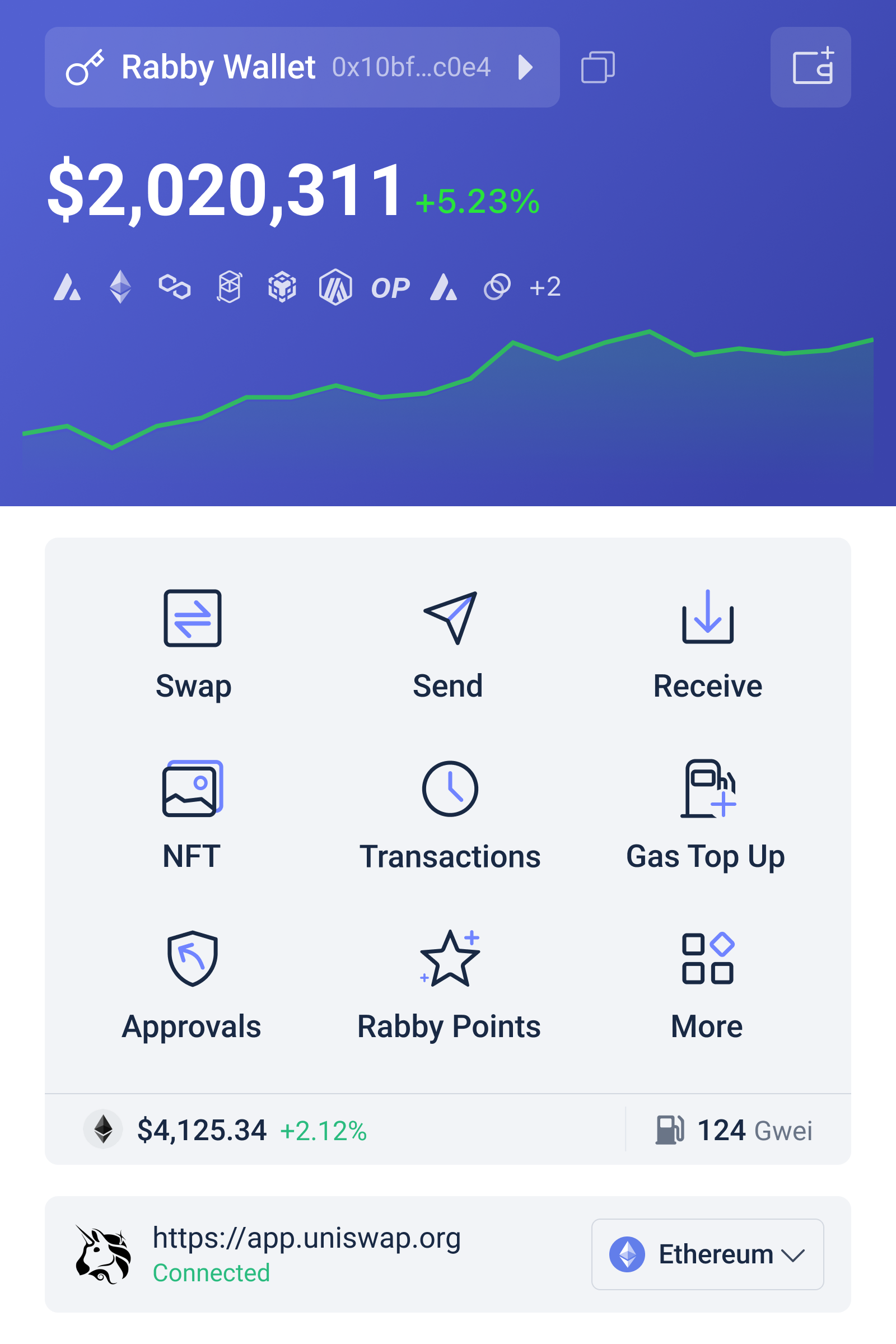
    If you want a starting point that emphasizes simulation and safety, look at products that document their approach clearly and let you inspect the underlying execution trace—one such place to start is https://rabby-wallet.at/.

    I’m not saying it’s perfect, and I’m not 100% sure every scenario’s covered, but it’s the kind of direction that will reduce dumb losses and increase trust over time.

    Whoa!

    Developer tooling matters too.

    Exposing simulation APIs for dApp integrators helps align UX across ecosystems; otherwise each app reimplements fragile checks and yields inconsistent behavior.

    On-chain composability means a malicious-looking transaction in one context may be legitimate in another, so contextual metadata and integrator opt-ins improve accuracy and reduce false alarms.

    Designing those integrations requires careful contract-level thinking and clear developer docs, which many teams skip at their peril.

    Really?

    Final practical takeaways.

    Add simulation early in product roadmaps, prioritize human-readable risk signals, and choose a hybrid simulation architecture to balance immediacy with depth.

    Also, educate users with small microcopy and optional explainers—most people will appreciate a clear “why this could fail” more than an intimidating stack trace.

    That’s the path to fewer mistakes, happier users, and healthier DeFi behavior overall…

    Common questions about transaction simulation

    What exactly does transaction simulation catch?

    Simulations can catch reverts, insufficient balance, failed approval flows, bad slippage, and gas underestimation among other issues; however they depend on the fidelity of the forked state and the breadth of checks implemented by the wallet or service.

    Can simulations be gamed or bypassed?

    Yes—if a simulation service uses stale state or ignores certain external calls, attackers can craft transactions that pass the sim but fail live; robust solutions update state frequently, support deep tracing, and treat simulations as probabilistic signals rather than guarantees.

  • Why on-chain perpetuals feel like the wild west — and how to trade them smarter

    So I was thinking about on-chain perps the other day and how they’re reshaping trading. Whoa! The pace is insane. On one hand, decentralization hands traders permissionless access and composability. On the other hand, liquidity fragmentation and funding-rate games make things messy in ways that surprised me at first.

    I’m biased toward experimentation. Seriously? Yes. I cut my teeth trading centralized perpetuals, then somethin’ clicked when I started routing orders through smart contracts. My instinct said: there’s a better way to capture tight spreads without handing custody to an exchange. Initially I thought low fees alone would win the day, but then realized execution certainty and on-chain margin management matter more for big moves.

    Here’s the thing. Wow! Slippage is the enemy. You can paper-trade perfect fills all you want, though actually, wait—let me rephrase that—real capital meets real limits and those limits reveal hidden costs. Liquidity depth across automated market makers, limit-order books on layer-2s, and isolated pools all behave differently when funding turns sour.

    Trader's dashboard with on-chain perps and funding rates

    Three habits that make on-chain perpetual trading better (and safer)

    Start small and stay curious. Whoa! Trade with a plan and an exit strategy. Position sizing matters more than edge size, especially when your liquidation path runs through several protocols and relayers. Something felt off about my early setups — I was over-levered on low-liquidity pools — and that taught me to prioritize execution risk over theoretical alpha.

    Build routing awareness. Really? Yes. Different DEX architectures route differently: concentrated liquidity pools behave unlike curve-style pools, and order-book L2s will sometimes be the only place to avoid price gouging during volatility. On-chain route explorers and MEV-aware routers help, but they don’t replace intuition. Over time you’ll recognize which venues tighten spreads and which ones eat your fills slowly, like a fee-tax.

    Leverage smart margin strategies. Hmm… Margin on-chain isn’t just about collateral ratios. Cross-margining across positions on some protocols can be a lifesaver, though it also concentrates counterparty-like risk if one position implodes. Initially I thought cross-margin always improved capital efficiency, but then realized cascading liquidations are real and brutal; isolation has its uses for tail-risk management.

    Okay, so check this out—if you’re executing perps regularly, track the funding cycle. Funding flips drive volatility. Market makers shift inventory fast, and funding arbitrageurs will steamroll naive positions. My approach: stagger entries across funding epochs when possible, or hedge synthetically on a more liquid venue. (oh, and by the way… hedging costs matter too.)

    Execution: tech choices that actually move P&L

    Use a hybrid approach. Whoa! On-chain native swaps are great for transparency. Medium sentences help here and there. But when urgency strikes, consider a trusted aggregator or a relayer that minimizes on-chain reprice risk. The difference between a routed trade that touches one pool and one that touches five can be dozens of basis points in turmoil.

    Watch for front-running and MEV. Really? Absolutely. Even on optimistic rollups and L2s, searcher behavior and miner/validator incentives create invisible tax. Flashbots-style protection exists for some flows, but not every chain supports it. My instinct said that private relays would eliminate the problem—actually, wait—relay coverage is uneven and sometimes expensive.

    Audit your liquidation path. Hmm… This is boring but it saves you money. If your liquidation relies on one small pool to unwind a large notional, you’re probably exposing yourself to slippage-based liquidations that worsen the position. On-chain analytics tools can show worst-case unwind curves; use them before you size a trade.

    One more practical tip. Whoa! Test your full execution stack on testnet with mainnet-like conditions. Repeat that test until the slippage profile becomes predictable. It sounds tedious — and it is — but real money prefers predictable systems.

    Why decentralized perps create new market-making opportunities

    On-chain perps let nimble market makers program strategies that morph in real-time. Really? Yep. Funding-rate capture, delta-hedging with index components, and liquidity provision that adapts to skew are all on-chain-native plays. Because the mechanics are transparent, a clever strategy can be composable across protocols and amplify returns.

    That said, transparency cuts both ways. Competitors can copy your approach quickly, and searchers will exploit predictable behaviors. Initially I thought opacity on CEXs was a drawback; but compared to some public on-chain models, predictability can be dangerous. So mix deterministic rules with randomization and adaptive thresholds.

    Regulatory noise is a factor too. Hmm… The U.S. regulatory stance may push some products offshore, though actually, wait—many builders are optimizing for compliance-friendly rails at the same time. On-chain infrastructure allows rapid iteration, which is great, but it also means market structure can shift under your feet.

    One place I’m excited about is the rise of user-friendly DEX UX that still preserves composability. Check this out—protocols that let advanced traders set conditional perps or chained actions without leaving custody are becoming real. If you want to try a platform with a tight UX and pro-grade routing, take a look at hyperliquid dex as an example of that next wave. I’m not paid to say that, I’m just pointing at tooling that made my life easier.

    Questions traders ask a lot

    How do I avoid being liquidated on-chain?

    Size positions conservatively, use isolated margin for asymmetric bets, and monitor funding shifts. Employ auto-hedges where possible, and precompute worst-case liquidation slippage so you don’t surprise yourself. Also, set alerts for on-chain health ratios—notifications beat hindsight.

    Is MEV a death sentence for retail traders?

    No. MEV raises execution costs but you can mitigate it with private relays, batching tools, and smarter routing. Smaller trades are less visible; large trades need orchestration and sometimes off-chain negotiation. It’s a solvable problem, though it requires some engineering.

  • Keeping Bitcoin Private: Real Wallet Habits That Actually Help

    Wow! I started writing this because privacy on Bitcoin feels like a paradox sometimes. At first glance it looks simple: use a private wallet, mix coins, done. But then you get into the weeds and realize privacy is a practice, not a product. My instinct said “just use Tor,” and that helped, but it wasn’t the whole answer.

    Okay, so check this out—privacy leaks happen in small, boring ways. Address reuse, public IPs, change outputs, and careless QR sharing are the usual suspects. On one hand, software can automate lots of protections; though actually, automation can also hide bad tradeoffs that matter. Initially I thought a single tool would fix everything, but then realized layered habits beat any single app.

    Here’s the thing. Wallet choice matters. But more importantly, how you use a wallet matters. Pick a wallet that respects privacy features and then use it with intention. That means: avoid address reuse, prefer wallets that support CoinJoin-style mixing or native privacy protocols, and separate your on-chain coins based on source and purpose. Hmm… these are simple rules, but people keep getting burned by ignoring them.

    Whoa! Network privacy is often overlooked. Running a wallet over clearnet links your transactions to your IP, which is a huge metadata leak. Use Tor or a VPN—Tor is preferable for Bitcoin nodes. If you run your own full node, that’s a different level of protection, though it’s more work. I’m biased toward running a node; it feels cleaner to trust your own view of the chain.

    One practical tool I’ve relied on is a coin-joining desktop wallet that enforces privacy-native workflows. It changed how I think about UTXO hygiene. It also taught me patience—privacy costs time, sometimes several hours. Seriously? Yes. You wait, coordinate, and then broadcast. But the end result is better unlinkability.

    Let me be clear: mixers are not a magic cloak. They reduce linkage but do not make coins “taintless” in every analytic model. Also, mixers and coinjoins vary in design; some leak more data or require trust. Always consider the threat model—are you avoiding casual onlookers, hostile chain analytics firms, or state-level actors?

    Wow! Privacy operational security (OPSEC) matters as much as cryptography. Don’t reuse labels across services. Don’t paste addresses into third-party web forms. Keep channels separate—email or social accounts linked to your identity shouldn’t store your transaction history. Small mistakes add up. I learned that the hard way, and yeah, it still bugs me when I see obvious lapses.

    When to use hardware wallets? Always for custody. But don’t assume hardware alone ensures privacy. Hardware signs transactions; it doesn’t hide them from the network or prevent metadata leaks from your host machine. Combine a hardware wallet with a privacy-aware software wallet and a Tor-enabled connection for a much stronger posture.

    A minimalist desktop showing a privacy-aware Bitcoin wallet with Tor

    Practical steps and a tool I recommend

    If you want a non-invasive privacy-first workflow, try a wallet that integrates CoinJoin-style features while letting you keep custody. I use wasabi in examples because it pairs a clear UX with strong privacy primitives, and it encourages good UTXO management. That said, it takes time to understand its batch processes and how to split coins properly.

    Split coins by purpose. Create “spend” and “savings” pools. Use the savings pool for long-term hodling without touching it. The spend pool can be mixed more often and kept smaller so that everyday transactions don’t pollute your long-term holdings. On one hand this is slightly tedious; on the other hand it dramatically reduces accidental linkages.

    Record keeping is a weirdly overlooked part of privacy. Keep metadata—but keep it separate and encrypted. I maintain an encrypted journal for my key dates, backup seeds, and notes about which UTXOs were mixed together. Why? Because years later you might need to prove provenance or untangle accidental merges. Also, backups are boring but lifesaving.

    Whoa! There’s a temptation to over-optimize. People obsess about dusting attacks, coin control, and timing down to the minute. My experience says: prioritize consistent good habits. Be consistent about using Tor, about not reusing addresses, and about maintaining UTXO separation. The rest is nuance that you can learn over time.

    Privacy also has social costs. If you overcomplicate your setup, you’ll be the only one using it. That makes backups and recovery harder. Balance between “as private as technically possible” and “as usable as I will actually use.” You’ll likely pick a middle path; you’ll refine it as threats change.

    One more operational tip: be wary of custodial services. Exchanges and custodial wallets collect lots of identity metadata—KYC, IP logs, device fingerprints. If you need on-ramps or off-ramps, use them deliberately and separate those flows from your privacy-preserving holdings. Mixing on-chain after an exchange withdrawal doesn’t erase KYC metadata; it complicates your legal posture too, so consult advice if you’re unsure.

    Overall, privacy is a long game. You build layers: network privacy, wallet choice, disciplined UTXO management, hardware custody, and careful interactions with custodial services. Initially I thought privacy was a feature; but after years of using these tools, I see it’s a craft you practice daily. Actually, wait—let me rephrase that: it’s a set of repeatable habits that keep your financial life harder to trace.

    FAQ

    Is CoinJoin legal?

    Generally yes in most jurisdictions. CoinJoin is a privacy technique for combining transactions; it doesn’t create illegal funds out of thin air. Laws vary though, and some services may flag mixed coins. If you worry about legal consequences, seek local legal advice—I’m not a lawyer, and I’m not 100% sure about every country.

    Can I do privacy on mobile?

    Yes, to a degree. Mobile wallets can be decent for convenience, but they leak more metadata through app telemetry and the mobile network. If you care deeply about privacy, prefer desktop + Tor + hardware wallet. If you must use mobile, pick wallets that minimize telemetry and pair them with a privacy-preserving on-ramp.

    What are the biggest beginner mistakes?

    Address reuse, mixing then consolidating coins carelessly, using custodial services for long-term storage, and ignoring network privacy are the most common. Also—sharing addresses in public or with linked social accounts. These mistakes are small individually but powerful together, so fix the little things first.