Blog

  • Why your next wallet shouldn’t be a mystery: mobile, keys, and the case for a sensible browser extension

    Whoa! I keep seeing people store everything on an exchange and call it quits. It makes me nervous. My gut says: that’s asking for trouble. At the same time, I get the appeal — convenience wins in the short term, and honestly, it often feels like the path of least resistance. Initially I thought that wallet choice was mostly technical, but then I realized it’s a mix of psychology, UX, and basic hygiene (yes, crypto hygiene is a thing). Somethin’ about that mix keeps me digging.

    Here’s the thing. Mobile wallets changed the game. They let you manage assets while standing in line, at a coffee shop, or during a red-eye flight home. They’re fast. They’re personal. But they’re also tiny computers that sit in your pocket, and if you treat them like a toy, you pay for it later. Seriously? Yes — because private keys don’t care how busy you are. They only care if someone else copies them. On one hand, mobile-first design has made ownership simple. On the other hand, that simplicity sometimes hides trade-offs that matter.

    Hmm… let’s break it down. First: private keys. Short version: keys are the secret sauce. You control keys, you control coins. Lose keys, you lose access. Store them carelessly, and you hand control to attackers. That’s simple. But actually, wait—let me rephrase that: keys are both technical constructs and human responsibilities. Hardware, software, backup phrases — they all play roles, but none are infallible.

    Some practical habits help more than fancy features. Backups in multiple places. Test the recovery process. Use passphrases where appropriate. Keep small test transfers first. These are low-effort moves with high impact. I’ve done the dumb things too — yeah, the “I’ll remember it” trap — and I’m biased toward tools that force safer behavior without being annoying. This part bugs me: so many wallets explain features in dense, jargon-heavy copy that makes people skip setup steps.

    A mobile phone showing a multi-chain wallet interface with transaction details

    Why a browser extension plus mobile combo often wins

    Okay, so check this out—browser extensions give you in-tab convenience for dApps and DeFi, while mobile wallets let you transact on the go. Combining them (in a trusted way) gives you the best of both worlds. The catch is trust: you need a reliable sync method, clear key custody rules, and sane fallback options. I recommend testing the flow end-to-end before moving real value. If you’re curious, try a wallet like truts that supports a multi-device experience and clear private key handling; it helped me see how pairing can actually reduce friction rather than add it.

    On a technical level, extensions are convenient because they inject a web3 provider into pages, which many dApps expect. But extensions can be targets — they live in your browser’s ecosystem, and browsers have extension-permission models that users rarely review. So: minimize permissions, keep the extension updated, and avoid shady signing prompts. My instinct said “this is obvious,” yet people still approve every permission prompt like they’re clicking “I accept” in 2003 software installs. Very very bad idea.

    Another angle: mobile wallets that support hardware key integration — that’s a huge plus. It creates an extra layer that keeps your seed offline for most operations. Yet, honestly, it’s not for everyone. Hardware adds complexity and cost. On one hand, it’s a gold standard for security; on the other hand, it’s a barrier for casual users who want fast trades and NFTs. There’s no silver bullet.

    Initially I assumed multi-chain meant multi-problems, but contemporary wallets can abstract chain differences well. However, beware edge cases — token approvals, cross-chain bridges, and smart contract interactions can still surprise you. Always read the contract address, double-check gas estimates, and when in doubt, pause. Pause. Seriously, pause — most exploits rely on haste.

    Here’s a practical workflow I use and recommend: set up a primary mobile wallet with a strong seed, add a small hot wallet for daily use, pair the reliable browser extension for desktop dApp access, and keep a hardware or cold backup for the big stash. That layered approach matches how I handle other valuables (home keys, passports) — redundancy plus separation. It feels a bit like analog safe practices transferred into digital form, and that analogy helps people understand risks.

    Now, about UX and onboarding: the best wallets teach through actions, not walls of text. Give users simple prompts: back up now, verify recovery phrase, test restore. If a wallet buries backups in advanced settings, that’s a red flag. Also, watch for wallets that force cloud backups without transparent encryption details. Cloud backups can be fine when properly end-to-end encrypted, though the math and implementation matter — and I won’t pretend every provider nails it.

    Oh, and by the way… phishing is still the top scam vector. Copy-paste addresses, fake extension pages, and malicious wallet clones are everywhere. Train yourself: always inspect URLs, validate extension publishers, and triple-check addresses when sending large amounts. When you feel somethin’ off, stop and verify. My instinct has saved me a few times — usually when a dApp asks for blanket approval of token transfers that don’t match the context. It’s subtle, but those blanket approvals are the attacker’s dream.

    For teams building wallets: don’t make security a checkbox. Build UX that nudges good behavior and makes dangerous choices intentionally difficult. For users: choose wallets that explain private key custody clearly and give you full export control. Also, community and open-source audits matter; they don’t guarantee safety, but they increase confidence. I’m not 100% sure on every audit’s depth, but a transparent development process beats closed-source silence.

    Common questions people actually ask

    Do I need a hardware wallet if I use a mobile app?

    Short answer: not always, but for large holdings yes. Hardware wallets keep your seed offline which drastically reduces remote attack risk. For everyday amounts, a well-designed mobile wallet with strong recovery and optional passphrase might suffice; for life-changing sums, consider hardware plus tested backups.

    How should I back up my private key?

    Write it down on paper. Store copies in separate secure locations. Consider a steel backup for fire/water protection. Avoid digital plaintext backups. Test the restore process. And please, don’t use the same backup method as your email password — diversify.

    Are browser extensions safe?

    They can be if you pick reputable providers, monitor permissions, and keep them updated. Use extensions only from verified publishers, scan permissions, and avoid installing dozens of random wallet plugins. If an extension ever asks you to export a seed unprompted, decline and investigate.

  • Why a NFC Smart-Card Cold Wallet Feels Like the Future of Personal Crypto Security

    Whoa!

    Cold storage used to mean shoeboxes, paper wallets, and brittle backups.

    Now we can slip a secure smart card into a pocket and sign transactions on the go.

    NFC-enabled hardware like a smart card fundamentally shifts the trade-off between convenience and safety because the secure element isolates your keys while the phone simply asks for a signature, not the raw private key itself.

    Here I want to walk through what I’ve learned, what still bugs me, and practical rules you can actually use.

    Seriously?

    Yes—smart cards are tiny but they pack tamper-resistant chips that are extremely hard to extract secrets from.

    That means you can treat the card like cash, except it’s programmable and revocable in some setups.

    On one hand you gain portability and on the other hand you open different threat models that matter if you travel or leave the card out in plain sight.

    Something felt off about early hardware wallets for this very reason; they were clunky, and my instinct said there had to be a sleeker way.

    Hmm…

    My first impression was that a card would be fragile, but that turned out to be wrong in practice.

    Initially I thought single-device solutions were risky, but then realized that a properly designed smart card with a secure element can be more robust than a cheap microcontroller in a dongle because the attack surface is smaller and standardized.

    I’m biased, but personal experience showed me that keeping an air-gapped seed on a steel plate or laminated paper felt archaic after I started using cards that fit a wallet and use NFC for signing only.

    Oh, and by the way, when I say robust I mean against casual theft and many supply-chain risks though not every possible state-level attack.

    Whoa!

    Implementation details determine whether the card is safe or merely stylish.

    Do you get a true secure element with certified firmware, or a clever firmware running on generic hardware that looks secure but isn’t?

    Long story short, look for devices built around proven chips and audited software, because a single flawed crypto routine or weak RNG can ruin everything and that risk is often invisible until it’s too late.

    This is very very important if you plan to hold meaningful value.

    Really?

    Yes, and check this out—picture a card that never exposes the private key, uses NFC to sign a transaction payload created by your phone, and then returns only the signature; the phone never sees the seed.

    That UX is elegant; it keeps onboarding easy for non-technical users while preserving a high security posture for experienced holders who won’t boot custom OSes or solder wires to chips.

    Cards can also be paired with companion apps that enforce PIN retries, self-destruct counters, or require multi-factor confirmations, though those features vary a lot by vendor and design philosophy.

    I’ll be honest: somethin’ about the simplicity of a card makes people treat security more seriously than they did with complex dongles that nobody used correctly.

    A person tapping a smart-card hardware wallet to a smartphone via NFC, signing a transaction

    Choosing a smart-card wallet that actually works

    If you want one place to start, consider reading about the tangem wallet experience and design philosophy at tangem wallet as an example of a product built around NFC-first smart cards.

    There, you’ll see trade-offs: convenience, threat model, and recovery options all laid out in user-facing language instead of techno-evangelism.

    Assess whether the vendor offers open audits, clear firmware update paths, and an honest explanation of what they do and do not protect against.

    Also check community feedback; real users will tell you if the product is durable, reliable, and whether the mobile apps behave like they should under real-world conditions.

    That combination—documentation, audits, and lived user experience—beats slick marketing every time.

    Whoa!

    How should you use a smart-card cold wallet day-to-day?

    Keep a low-balance “spending” wallet on your phone and the majority of funds cold on the card, signing only when necessary.

    Make backup cards if the model supports deterministic derivation or allow for secure export of a recovery phrase kept offline, and test recovery procedures long before you need them because backups that are untested are worthless.

    Also, consider geographic redundancy; if you lose a card to fire or theft, having a second card in a separate place saved me once—true story, though maybe a bit dramatic.

    Seriously?

    Threats are not limited to theft or device failure; supply-chain attacks, firmware downgrades, and social-engineering remain top concerns for any hardware product.

    On one hand a sealed chip reduces many risks, though actually, wait—let me rephrase that—sequestration of the seed in hardware reduces software-layer attacks but introduces recovery and physical-compromise concerns that you must plan for.

    For example, if an attacker can coerce you or gain physical access while you panic, they may force a PIN or exploit fallback procedures you thought were safe.

    So talk with a plan and practice safe handling routines that fit your life, not some idealized threat model.

    Whoa!

    Buying advice: don’t choose purely on aesthetics or price.

    Look for transparency in manufacturing, a sane update policy, and a vendor that will still be reachable in two or three years—support matters and companies vanish, leaving users with stranded hardware.

    I’m not 100% sure which brands will endure, but companies with community trust and open practices usually last longer than flashy startups with big marketing budgets and no clear security culture.

    Also, keep receipts and serial numbers in a secondary, secure place; that helps with warranty and tracing if you suspect tampering.

    Hmm…

    Carrying a card in your daily wallet is different than leaving a ledger on a shelf at home.

    Think about physical attacks, like someone swapping your card for a cloned-looking device, and create simple verification rituals—inspect the packaging, do a known-good signature test when unsuspicious, or keep a tamper-evident sleeve if that helps your peace of mind.

    On the flip side, the convenience of NFC means you will actually use the device, which reduces human error from complicated workflows that people forget how to do correctly.

    And yeah, it’s okay to admit you like the form factor; humans and habits matter in security design.

    Whoa!

    Final thought: smart-card cold wallets are not a silver bullet.

    On technical merits they solve a lot of problems elegantly, though there’s no substitute for thought-out operational security, redundancy, and the boring work of testing your backups—do it now, not later.

    My instinct said this would be niche, but adoption curves surprise me; ease of use combined with strong crypto can make a solution mainstream, and that changes the calculus for many users who previously avoided cold storage altogether.

    So take advantage of that shift, but keep your head; be realistic about limits, and adapt your setup as threats and tech evolve.

    FAQ

    How is a smart-card cold wallet different from a USB hardware wallet?

    Smart cards typically use NFC and a secure element designed for cards, which reduces attack surface and improves portability, while USB devices often expose a more complex OS stack; both can be secure, but the threat profiles and convenience differ.

    What happens if I lose my card?

    If you followed recovery best practices, you should be able to restore access from your backup or another card; without a tested backup, recovery is unlikely, so prepare backups and practice recovery in a low-stakes environment.

    Can a smartphone app compromise my card?

    No—if the card is designed correctly the app only sends unsigned transaction data and receives a signature; however, malicious apps can phish users into signing bad transactions, so verify transaction details and keep your phone secure.

  • Why Wallet Synchronization and Cross-Chain Tools Are the Browser’s Next Big Win

    Whoa! The moment I synced my phone wallet with a browser, something clicked. Seriously? Yes. My first impression was pure convenience: no more fumbling with QR codes at my desk. But then my brain kicked in and started listing risks and trade-offs. Initially I thought this would be just another login feature, but then I realized it’s an infrastructure shift—one that changes how we think about multi-chain DeFi from the user’s side.

    Here’s the thing. Browser-based wallet synchronization turns scattered assets into a single view. That’s obvious, but the implications are deep: faster trades, unified portfolio tracking, and smoother cross-chain swaps. Hmm… my instinct said “convenient,” and my head said “secureity matters”—yeah I spelled that wrong on purpose because people underestimate how sloppy we get with security when things feel easy. Oh, and by the way, convenience often hides complexity.

    Think of it like your bank app suddenly working across ten different ledgers without forcing you to become a node operator. Short sentence. The experience is seamless for users, but underneath there’s state reconciliation, key management, and protocol bridging—technical plumbing that can be fragile. On one hand you get an elegant UX; on the other hand you inherit the weakest bridge or the least-tested RPC node in the chain of trust.

    Screenshot of a browser wallet synchronizing multi-chain accounts

    How browser wallet sync changes the DeFi flow — and what to watch for

    Okay, so check this out—synchronization does three practical things immediately. First, it reduces friction: no more repeated seed phrase imports or tiny, error-prone manual transfers. Second, it enables contextual DeFi: your browser can surface dApp offers that match the chains you actually use. Third, it lets users combine assets across chains for complex strategies, like using collateral on one chain to borrow on another. I’m biased, but that part excites me the most—more capital efficiency, fewer tabs, less mental load.

    But let’s slow down. Bridges are the usual attack surface. My gut said “this will be safe,” until I started mapping past incidents—bridge exploits, compromised private keys, malicious browser extensions. Actually, wait—let me rephrase that: synchronization reduces some user errors but can amplify others. If a browser extension has access to synchronized state, then malware on the machine or a spoofed extension could cause big problems. On the flip side, hardware-backed sync and permissions that are explicit reduce that risk substantially.

    For people hunting a trustworthy browser experience, a good starting point is a vetted extension that prioritizes local key custody and explicit permissions. If you want to try a mature option that balances UX and security, consider the trust wallet extension. It felt natural to use right away, and the sync flow kept me in control of approvals—no surprise transactions, which is key.

    Here’s what bugs me about many wallet extensions though: they promise “multi-chain” support but rely on brittle third-party bridges or central relayers. That makes them multi-chain in name, not in safe practice. Some providers are working on multilateral verification and atomic swaps to reduce trust, but the tooling is still early.

    Practical tips for safe browser wallet synchronization

    Short checklist, because long lists make people ignore things. First, use hardware keys when possible. Second, check extension permissions and limit access to only the tabs or dApps you trust. Third, prefer wallets that support per-site permissions and explicit signing dialogs—this prevents silent approvals. Fourth, keep an eye on RPC endpoints; custom nodes can be malicious. Fifth, diversify: don’t keep your entire net worth on a single synchronized browser wallet. Simple, but very effective.

    Initially I thought full-device sync was risky, but then I tested flows with a hardware key and a sandboxed browser profile. Results: much safer, and usability still high. On one hand you need multiple controls; on the other hand too many prompts ruin the UX. The trade-off is about reducing attack surface while preserving flow—lotsa product decisions there.

    Another subtlety: cross-chain DeFi often requires bridging liquidity and permissioned communication between smart contracts. If your sync layer tries to “hide” the chain differences, it can create a false sense of uniformity. So watch for UIs that show one combined balance without clear chain breakdowns. That’ll bite you when gas fees or failed bridge txns arrive.

    Design patterns that work for multi-chain browser wallets

    Good design patterns I’ve seen: explicit chain context, granular approval flows, and transparent bridge status indicators. Medium sentence. Long sentence that ties them together: when a wallet shows which chain a dApp is operating on, indicates whether funds are locked in a bridge, and requires explicit consent for cross-chain movements, users make fewer mistakes and recoveries become possible without chaos. Really?

    Yes. And there are some neat engineering fixes: optimistic UI with revert-on-failure, deterministic transaction previews, and ephemeral session keys for dApp interactions. These trade off complexity on the backend for a smoother front-end experience, though actually implementing them across ten chains is nontrivial. Hmm… sometimes you also need legal clarity, because cross-chain operations can trigger different regulatory considerations depending on jurisdiction—US users should be mindful of that.

    Personally, I like wallets that expose developer tooling too—debug logs, signed payload previews, and a clear audit trail. If an extension won’t show you what it signed, it’s hiding something. Also, very very important: backup flows. I cannot stress that enough. Backups that are user-friendly but not lazy are the best compromise.

    Where this is heading — and what I don’t know

    On one hand browser synchronization will keep getting smoother. Atomic cross-chain primitives will improve, UX patterns will standardize, and fewer people will panic over bridging. On the other hand, new attack vectors will appear—profile hijacking, supply-chain attacks on extension distribution, and social engineering tailored to synchronized wallet metaphors. I’m not 100% sure how quickly infrastructure will catch up, but history suggests patchwork fixes followed by migrations to sturdier protocols.

    I’m excited about account abstraction and modular validation layers because they let wallets manage authentication without exposing raw private keys. That could let browser wallets offer one-click multi-chain strategies while still delegating signing to a secure device. Something felt off about early gas estimation across chains, and these next-gen systems promise to improve that.

    My working advice for users: start small, test with small amounts, and prefer wallets that let you inspect and revoke grants. If an extension has decent UX but you can’t see the permissions or the transaction preview, don’t trust it. That sounds strict, but it’s saved me from a few dumb mistakes—like approving a million-token allowance for a scam contract. Live and learn, right?

    FAQ

    Is browser wallet synchronization safe?

    Short answer: it can be, if implemented properly. Long answer: safety depends on key custody (local vs. remote), approval granularity, and the extension’s access model. Use hardware-backed keys, review permissions, and keep funds you can’t afford to lose off synchronized profiles.

    How does cross-chain DeFi work from a browser?

    Browsers act as a control plane: they orchestrate transactions on multiple chains, talk to bridges/routers, and present unified UIs. But the heavy lifting—actual token movements and state changes—happens on the blockchains and bridges. Watch for clear UI cues about chain and bridge status.

    Which extension should I try first?

    Try a well-reviewed, actively maintained extension that offers per-site permissions and hardware key support. As mentioned earlier, the trust wallet extension is one option that balances ease and control. Start small though—test with tiny amounts and build confidence.

  • Why a browser extension finally makes Solana staking feel human

    Whoa!

    I opened a browser wallet the other day to check my stake. My instant thought was: why is staking still clunky for regular users? Initially I thought a browser extension would simplify everything, but then I noticed key management, delegation tracking, and network fees were scattered across tabs and settings, which made the whole experience feel piecemeal and risky. It reminded me of early DeFi days when little interfaces hid a lot of complexity.

    Seriously?

    If you’re a browser user who wants to stake Solana, your expectations are simple. You want clear delegation lists, easy unstake flows, and reliable transaction signing without jumping between mobile and desktop apps. My instinct said a focused extension could nail this. It would need smooth delegation management, clear fee estimates, and easy stake activation.

    Hmm…

    I tried a few wallets and landed on an extension that felt purpose-built for Solana staking. The UI made delegation lists obvious, validator info was accessible, and slashing risks were signposted—little touches that actually matter. I’ll be honest: some parts still bug me, like slow validator sorting and occasional confirmations that felt redundant. But overall I found delegation tools that let me split stakes across validators with minimal fuss.

    Wow!

    Initially I thought staking was only for power users with CLI knowledge. Actually, wait—let me rephrase that: staking used to need technical chops, though today interfaces can hide complexity while still requiring thoughtful design to avoid mistakes. On one hand the extension automates delegation steps, though actually you still must verify validator identities and fee structures manually. Something felt off about automatic commission-only filters, so I dug deeper.

    Check this out—

    There was a moment when I moved stake and watched rewards compound in the dashboard, and I actually smiled. It sounds small, but seeing yield projections in-browser changed the way I monitored performance. Oh, and by the way… the extension has quick links to on-chain explorer pages so you can audit transactions fast. I kept thinking: why didn’t wallets offer this sooner?

    Screenshot of delegation dashboard showing validators, stake amounts, and projected rewards

    Why a browser extension makes sense

    Okay, so check this out— a browser extension sits where you already work: tabs, DeFi sites, and staking dashboards. That proximity reduces friction, and because the extension can intercept signing requests directly it streamlines delegation without moving keys around. I’m biased, but using an extension to delegate feels like the compromise between custody and convenience. If you want to try this, consider the solflare extension for a focused staking experience.

    Seriously?

    Security remains the top concern for browser users when moving stake. Extensions should implement hardware wallet support, session timeouts, and clear recovery guidance so users don’t accidentally lose keys during routine staking operations. On one hand the convenience is great, though on the other hand you must vet the extension’s codebase and browser permissions. My recommendation: test with a small amount first.

    Honestly, I felt relieved.

    The more I used a dedicated staking extension, the less I worried about missing rewards or losing track of delegations. Something felt off at first, but repeated checks and on-chain visibility calmed that worry. I’m not 100% sure it’s perfect for everyone, and somethin’ about validator reputations still needs manual research. Still—if you’re a browser user looking to stake Solana, a modern extension can make it simple, and that’s worth exploring.

    FAQ

    Is a browser extension safe for staking?

    Short answer: generally yes, if you pick a reputable extension and follow best practices. Use hardware wallet integration when possible, keep browser permissions tight, and never paste your seed phrase into websites. Start small, watch transactions on a block explorer, and you’re mitigating most common risks.

    Can I split my stake across validators?

    Yes—most staking-focused extensions let you create multiple delegations quickly. That helps you diversify validator risk and manage rewards more granularly. It also makes tracking a bit easier because the UI groups delegations and shows pending rewards together.

    What should I look for in validator info?

    Look for commission history, uptime, performance metrics, and any social proof like audits or community endorsements. On-chain metrics tell one story, but community trust and transparency tell another. Balance both when you pick where to delegate.

  • Reading the Solana Ledger: Practical Solana Analytics for SPL Tokens and SOL Transactions

    Whoa!
    Solana moves fast.
    If you’re tracking SPL tokens or watching SOL transactions you already know that speed is both a blessing and a curse.
    My instinct said “this will be straightforward” at first, but then the noise and edge cases showed up—so yeah, it’s messier than it looks.
    I’ll be honest: some parts of on-chain analysis bug me, and that’s where better tooling earns its keep.

    Seriously?
    Transaction counts spike, mempools clear, and explorers sometimes hide the nuance.
    Most folks check a hash and call it a day.
    But there are layers: instructions inside transactions, inner instructions, cross-program invocations, and token program quirks that change how you interpret balances and flows.
    On one hand it’s elegant; on the other hand, if you don’t chain your queries correctly you can miss burned tokens, wrapped SOL, or delegated balances.

    Hmm…
    Let’s talk SPL tokens first.
    SPL tokens look simple—they’re like ERC-20 cousins, right?
    Well, sort of: metadata lives off-chain in many cases, accounts can be rent-exempt, and token accounts are first-class citizens on Solana, which means an address holding a token may not be intuitive unless you query the right program state.
    This is why an explorer that surfaces token account mappings, recent mint activity, and marketplace transfers is invaluable when you’re debugging or auditing.

    Dashboard showing SPL token transfers and SOL transaction timeline

    Why on-chain context matters

    Wow!
    A raw list of signatures is not enough.
    You need context: which program took the lamports, which CPI was executed, and whether the transaction included any reversible state changes (spoiler: most are final, but some patterns matter).
    When analyzing whale moves or bot activity, it’s important to correlate transfers, compute budget usage, and fee patterns across blocks so you don’t misattribute automated behavior to an individual.

    Okay, so check this out—when a token swap occurs via a DEX, you’ll often see multiple instructions across programs in a single transaction.
    Sometimes the swap path includes wrapped SOL or an intermediary token, and if you only look at the top-level transfer you miss the intermediary liquidity hops.
    That intermediate behavior explains why slippage appears higher than expected, and why some trades fail quietly in wallets but still consume fees.

    Practical workflow: How I approach a suspicious transaction

    Whoa!
    Step one: get the signature and expand the transaction to show parsed instructions.
    Step two: examine inner instructions and CPIs to see which programs were called, because the token program will often be invoked indirectly.
    Step three: map token account owners back to their authority addresses, and check rent-exempt status—sometimes airdrops or program-derived addresses (PDAs) hold tokens in ways that confuse naive scans.
    In practice this usually points to either a wallet-level issue, a marketplace routing choice, or a program-level transfer triggered by an on-chain event.

    My instinct said earlier that a single tool would do everything.
    Actually, wait—let me rephrase that: no single view handles every edge case well.
    So use a primary explorer for quick reads, but lean on CLI or RPC queries for authoritative state when it matters.
    If you’re developing or auditing, add repeated queries of getAccountInfo, getProgramAccounts, and confirm transaction status across multiple nodes to rule out fork effects or RPC inconsistencies.

    Metrics and patterns that tell a story

    Wow!
    Look beyond raw volume.
    Volume spikes without corresponding increases in unique signers often indicate a bot or specific institutional actor, not organic demand.
    Compute units consumed per transaction can reveal whether a program is optimized; very high compute usage repeatedly can be a sign of inefficient logic or a targeted exploit attempt, and that’s something you want to catch early in monitoring.

    Here’s what I watch on a daily basis: token mint activity, owner churn rates for top holders, new delegate patterns, and sudden rent-exempt account creations.
    When an SPL mint suddenly creates thousands of token accounts in the span of minutes, somethin’ is happening—maybe airdrop scripts, maybe airdrop farming, or maybe a rug preparation.
    Cross-referencing with on-chain metadata and recent program upgrades often gives the missing piece.

    Tools and a quick recommendation

    Seriously?
    There are many explorers and analytics dashboards out there, but pick one that shows you the low-level instruction view, token account relationships, and historical holder distributions.
    I like tools that make it easy to pivot from a transaction to the accounts it touched and then to recent transfers involving those accounts.
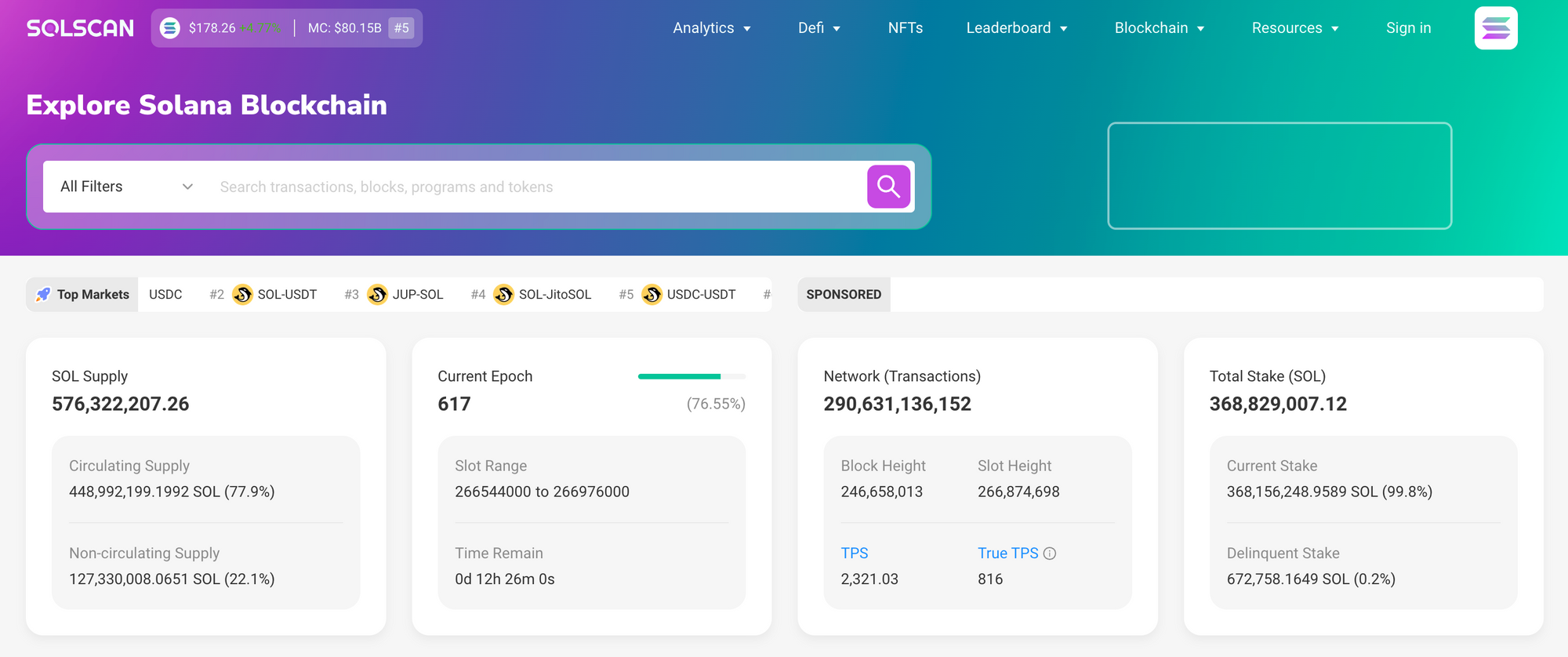
    For a practical explorer that surfaces those relationships and helps trace flows across instructions, check out this resource: https://sites.google.com/mywalletcryptous.com/solscan-blockchain-explorer/

    Okay, quick tip—when auditing token behavior, always normalize decimals and consider wrapped SOL conversions.
    Two tokens with the same symbol can have different mints and different authorities; don’t assume symbol uniqueness.
    Also watch for token account reassignments by PDAs—those are subtle and can lead to misreadings of who actually controls balance movement.

    Common traps and how to avoid them

    Whoa!
    Trap one: mistaking an escrow PDA for a user’s address.
    Trap two: missing inner instructions that execute additional transfers after a swap.
    Trap three: relying on a single RPC endpoint for historical data which might be pruned or inconsistent under load.
    Defensive habit: archive raw transaction JSON for suspicious events so you can reparse later if you need to.

    I’m biased toward reproducibility.
    If you can’t reproduce a finding by re-fetching the transaction and the associated account states, treat it as tentative.
    Also, somethin’ that pays off: write small scripts to walk the token transfer graph from a mint to holders and back—this visualizes concentration and flow much faster than eyeballing a CSV.

    FAQ

    How do I trace an SPL token transfer to a sale?

    Start from the transaction signature and parse the instructions.
    Check for CPI to a marketplace program, look for associated token account transfers, and match lamport movements to determine if SOL was exchanged or if the transfer was simply moving tokens between user-controlled accounts.
    If unclear, inspect event logs or metadata tied to the marketplace program to confirm a sale event.

    Why do some SOL transactions show high fees?

    High fees usually mean heavy compute or priority fees were paid during congestion.
    A single transaction may include several compute-heavy instructions or invoke programs that use more units; combined with higher network demand, fees rise.
    Also watch for retry loops from bots which can jank up observed fee averages.

    What’s the best way to monitor token holder distribution?

    Use program-derived queries to list token accounts for a mint, then aggregate owner balances and plot percentiles.
    Automate checkpoints to detect sudden concentration shifts.
    When you see top holder movement, drill down to associated accounts and recent on-chain activity to understand the cause.

    Alright—so here’s the takeaway: Solana analytics is powerful but it rewards attention to detail.
    It’s tempting to rely on surface-level metrics, but the real signals hide in CPIs, inner instructions, and token account topology.
    I’m not 100% sure every edge case is covered here, but these practices have saved me a lot of blind spots when tracking SPL tokens and SOL transactions.
    Keep digging, trust but verify, and build tools that make complex on-chain stories easier to read—because speed without clarity is just noise…

  • Why Prediction Markets Still Beat Hunches — And How to Trade Them

    You ever watch a price tick and feel like you were reading a mood more than a market? That’s prediction markets in a nutshell. They turn beliefs about the future into tradable prices, and those prices often pull together a surprisingly sharp signal. I’m not saying they’re flawless. Far from it. But for folks who trade opinions or want to hedge event risk, they’re one of the cleaner, more direct tools we have.

    Prediction markets like Polymarket (yes, I use it) let users buy and sell on outcomes — will X happen or not — and the market price approximates the community’s aggregated probability. That framing is powerful. It makes forecasts actionable. It creates liquidity for ideas that otherwise would just collect as tweets and forum posts.

    Market price chart with event markers

    How these markets actually work (brief, practical)

    At core: binary contracts. You buy a “Yes” contract at 0.62 because the market thinks there’s a 62% chance of that event happening. You sell if you think it’s overvalued. Simple enough. But a lot happens underneath — automated market makers, on-chain liquidity pools, funding costs, and the constant tug-of-war between informed traders and noise traders. Those frictions shape whether the price is informative or just loud.

    My instinct says informed traders drive prices in high-stakes events. Initially I thought retail momentum would swamp expertise, but then I watched a handful of smart positions on macro events move prices days before mainstream news. Actually, wait—let me rephrase that: often prices move on both informed tiny bets and big noisy flows, and teasing them apart is the skill.

    Here’s the practical upshot: when trading, treat the market price as a baseline probability, not gospel. Ask: who has skin in this? Who is likely hedging versus speculating? How much time remains until resolution? Those answers change whether a 5% edge is meaningful or just lucky.

    DeFi mechanics and risk — why it’s not just gambling

    Prediction markets on-chain inherit DeFi tradeoffs. Liquidity providers earn fees but take on event-specific tail risk. Market makers need capital and algorithms that adjust spreads by event ambiguity. Smart contracts add transparency about holdings and flow, which can be a double-edged sword — great for auditability, bad for front-running by bots.

    Regulatory ambiguity is the other big factor. U.S. regulators have been patchy: some political markets face extra scrutiny, while purely informational markets sometimes slip through. That risk affects liquidity and product design — so many platforms restrict certain types of questions or use off-chain settlement or oracles to reduce legal exposure. I’m biased, but that part bugs me — it stifles innovation even when the use cases are legitimate hedging tools.

    Trading strategies that actually make sense

    Short-term scalping on prediction markets works if you have low latency and superior order execution. For most people though, event-driven strategies are better: identify mispriced events where you have informational edge, or hedge existing exposures using contracts. For example, if you’re long a crypto project and expect a contentious governance vote could swing price, buying a contract that pays if the vote fails is a natural hedge.

    Another practical strategy is pairs trading: when two markets should be logically linked but diverge — say, a binary about a legislation passing and a futures reaction in a related token — you can hedge directionally. Liquidity is the constraint. Many times the edge looks nice on paper but slippage and market depth eat the returns.

    The psychology — why markets aggregate better than surveys

    Markets force skin in the game. That changes discourse. People move from “I think” to “I will put X money where my mouth is.” That tends to filter out loud but low-commitment opinions. On the other hand, herd behavior and momentum can amplify errors. So you get rapid, sometimes messy learning. Hmm… sometimes the noise is so loud you miss the signal. Other times a tiny wager by a well-informed trader shifts consensus a full 10 points overnight.

    On one hand, markets can be more truthful than polls. Though actually, on the other hand, they can also reflect momentary gambler psychology more than sober probability estimates. That’s why combining market signals with fundamentals — data, expert reports, timelines — produces the best forecasts.

    Where Polymarket fits in the landscape

    I’ve used Polymarket for a range of forecasts, from macro events to crypto-specific outcomes, and found its UX intuitive and fast. If you want to check it out, the official site is polymarket official. It’s straightforward: you find events, assess prices, and trade. The platform’s public markets help the community see where capital sits and how consensus shifts in real time.

    That visibility is potent. It helps institutional researchers, journalists, and retail traders all pick up signals. But it also invites manipulation attempts where small players with large capital try to move sentiment. Watch for that — if a market moves without clear informational catalysts, ask who benefits from the new narrative. Often that tells you more than the price itself.

    Frequently asked questions

    Are prediction markets legal?

    It depends. Many markets are legal where they’re treated as information markets, but markets tied to political outcomes or specific securities can face regulatory barriers. Platform design (settlement methods, user access, question wording) often reflects an attempt to navigate local rules.

    Can I consistently beat the market?

    Some do, especially when they have unique information or faster execution. But for most traders, markets are efficient enough that small edges evaporate. Better to think in terms of improved probability calibration over time, not guaranteed wins.

    How should beginners approach prediction markets?

    Start small, pick a few discrete events, and treat trades like bets where you test your assumptions afterwards. Focus on learning to read order books, understanding liquidity, and quantifying how much you actually believe versus how much the market does.

  • ibiznes24 logowanie — praktyczny przewodnik dla klientów biznesowych Santander

    Ok, więc zaczynasz dzień i musisz szybko wejść do systemu bankowego. Serio — każdemu się to zdarza. Krótkie przypomnienie: ibiznes24 to platforma do bankowości korporacyjnej, z której korzystają firmy, księgowi i osoby zarządzające płynnością. Tutaj skupimy się na tym, jak zalogować się sprawnie, co robić gdy coś nie działa i jak zabezpieczyć dostęp. Chcę być konkretny. Przyjemnie nie będzie, ale potrzebne.

    Pierwsze wejście bywa mylące. Zwykle potrzebujesz: identyfikatora klienta (login), hasła oraz drugiego składnika uwierzytelnienia — tokena, SMS-a lub certyfikatu. Jeśli twoja firma używa podpisów elektronicznych albo kluczy sprzętowych, proces może wyglądać inaczej. Zaczynajmy krok po kroku.

    Krok 1 — przygotowanie: upewnij się, że masz przy sobie identyfikator i hasło. Sprawdź połączenie internetowe. Proste, ale ważne. Nie używaj publicznego Wi‑Fi bez VPN-a. (Tak, wiem — czasem to wygodne. Nie rób tego.)

    Krok 2 — wejście na stronę logowania: wejdź na oficjalną stronę logowania, najlepiej z zakładki banku lub z zaufanego źródła. Jeśli chcesz, korzystaj z tej strony: ibiznes24 logowanie — i jednocześnie sprawdź, czy adres w pasku przeglądarki jest poprawny (https, certyfikat). Uważaj na emaile z linkami. Phishing jest powszechny.

    Krok 3 — wybór metody uwierzytelnienia: wpisz login i hasło. Potem system poprosi o drugi krok. To może być:

    • kod SMS (jednorazowy),
    • token sprzętowy lub aplikacja mobilna (kod generowany co 30–60 sekund),
    • certyfikat kwalifikowany na kluczu USB lub karcie (rzadsze, ale spotykane),
    • autoryzacja w aplikacji korporacyjnej (push confirmation).

    W praktyce najczęściej to SMS lub aplikacja. Jeśli nie otrzymujesz SMS-ów — sprawdź numer telefonu w banku i blokady operatora. Jeśli token nie działa — może być rozkalibrowany albo jego ważność wygasła.

    Ekran logowania do systemu bankowości korporacyjnej — przykład pola logowania

    Najczęstsze problemy i szybkie rozwiązania

    Hasło nie działa? Spokojnie. Najpierw spróbuj resetu hasła przez procedurę dostępną na stronie. Jeżeli konto jest zablokowane po kilku nieudanych próbach, będzie trzeba skontaktować się z bankiem lub administratorem firmy. Czasem wystarczy chwilowe odczekanie — blokada automatyczna jest tymczasowa.

    Brak kodu SMS. Hmm. Dziwne. Sprawdź zasięg. Sprawdź, czy telefon nie ma filtrów SMS. Sprawdź, czy operator nie blokuje krótkich numerów. Jeżeli używasz przekierowań SMS (np. na inny numer), to pomyśl dwa razy. Najbezpieczniej mieć numer zaufany przypisany w banku.

    Błędy certyfikatu lub komunikaty przeglądarki. Czasem zdarza się, że przeglądarka blokuje elementy strony (skrypty, wtyczki). W takiej sytuacji wyczyść cache, zezwól na skrypty banku lub spróbuj innej, wspieranej wersji przeglądarki. Zwróć też uwagę na wymagane dodatki — niektóre systemy korporacyjne nadal potrzebują konkretnych modułów.

    Token sprzętowy nie generuje kodu. Może być wyczerpana bateria (rzadko), może być rozkalibrowany albo przestarzały model. Skontaktuj się z bankiem w sprawie wymiany. Nie kombinuj z modyfikacjami sprzętu — to prosta droga do problemów prawnych i utraty dostępu.

    Bezpieczeństwo — co warto zrobić teraz

    Nie oszczędzaj na procedurach. Zacznij od podstaw: używaj unikalnych haseł, włączaj 2FA, nie wysyłaj loginu/hasła e-mailem. Przyjmij zasadę najmniejszych uprawnień — nie każdy pracownik musi mieć dostęp do wszystkich funkcji. Zrób audyt użytkowników raz na kwartał.

    Przyznam, że tę część pracy najbardziej lubię — porządkowanie uprawnień. Czemu? Bo później mniej pożarów. No i mniej telefonów do IT w sobotę rano.

    Phishing: mail, który prosi o natychmiastowe potwierdzenie danych, to czerwone światło. Nie klikaj linków w takim mailu. Zamiast tego wejdź bezpośrednio na stronę banku przez zapisany adres albo użyj oficjalnej aplikacji. Jeśli coś wzbudza podejrzenia — zadzwoń do banku.

    FAQ — najczęściej zadawane pytania

    Co zrobić, gdy zapomnę hasła?

    Użyj opcji „zapomniałem hasła” dostępnej na stronie logowania lub skontaktuj się z opiekunem klienta w banku. Przygotuj dane firmy i dokumenty potwierdzające uprawnienia do konta — bank może poprosić o weryfikację.

    Dlaczego moje logowanie jest blokowane mimo poprawnych danych?

    Zazwyczaj to ochrona przed nieautoryzowanym dostępem. Blokadę wprowadza system po zbyt wielu nieudanych próbach lub po wykryciu nietypowego zachowania. Skontaktuj się z bankiem, aby odblokować konto i sprawdzić przyczynę.

    Jak często wymieniać dane dostępu i tokeny?

    Hasła warto zmieniać regularnie, zgodnie z polityką bezpieczeństwa firmy (np. co 90 dni). Tokeny wymieniaj, gdy wygasają lub wykazują błędy. Rekomendacja: audyt bezpieczeństwa co najmniej raz w roku.

    Na koniec — mała, praktyczna rada: dokumentuj procedury logowania i awaryjne kontakty banku w jednym miejscu dostępnym dla osób odpowiedzialnych. To ratuje czas i nerwy. No i, jeśli coś jest naprawdę pilne, miej przygotowany plan awaryjny (np. inny uprawniony użytkownik).

    Jeśli chcesz, mogę opisać procedurę resetu hasła krok po kroku dla twojego modelu logowania — napisz, z czym dokładnie się zmagasz. Nie obiecuję cudów, ale pomogę ogarnąć to sprawniej.

  • Why a Privacy-First Mobile Wallet Changes How You Think About Bitcoin and Monero

    Okay, so check this out—privacy wallets feel like a niche until you actually need them. Really? Yep. Whoa! My first impression was simple: use whatever’s most convenient. Initially I thought convenience trumped everything, but then realized that once your financial movements are visible, convenience can burn you. Something felt off about handing every transaction to an app that treats privacy like an afterthought. I’m biased, but when your phone holds keys, you should expect a lot from the software.

    Here’s the thing. Mobile wallets are everywhere. Short learning curve. Easy UI. Fast syncing. But privacy is messy. Monero and Bitcoin sit on different points of that spectrum. Monero is privacy-focused by design, with ring signatures and stealth addresses. Bitcoin needs extra tooling to approach that same layer of anonymity, and even then it’s often partial. On one hand, mobile wallets make crypto usable. On the other hand, they can leak metadata, reveal IPs, or use third-party servers that keep logs. Hmm… that tension matters.

    First, look at the fundamentals. Is the wallet open-source? Do experts audit it? Can you run your own node or choose remote nodes? These matter. Short answer: yes, they matter a lot. Long answer: you should prefer apps that let you control node connections, support deterministic seed phrases, and include strong encryption for local storage, though no solution is perfect. My instinct said “trust but verify” and that served me well.

    Design and UX count too. If the onboarding is confusing, people will bypass advanced privacy settings. I’ve seen users ignore optional privacy features because the copy was terrible or the steps were buried. That bugs me. The best wallets balance clarity with powerful defaults—defaults that favor privacy, not convenience for trackers.

    Security features to prioritize are straightforward: hardware-wallet integration, encrypted backups, and multi-currency handling that doesn’t cross-contaminate privacy between coins. For instance, using the same addressbook or same analytics backend for Bitcoin and Monero can leak correlations. Initially I thought cross-coin convenience makes life easier, but actually cross-coin convenience can make your entire profile psycho-logically easier to reconstruct—if someone wanted to.

    Trade-offs are inevitable. More privacy can mean slower setups and more technical options. Some wallets route traffic through Tor or use trusted nodes, which adds latency. Other wallets offer instant transactions but rely on centralized services. On one hand you want speed; on the other hand you want your details not logged. Which do you pick? It depends on threat model and patience. I’m not 100% sure everyone needs the highest tier of privacy, but many people would benefit from simple, stronger defaults.

    Screenshot of a privacy wallet interface with balances for Monero and Bitcoin

    How I Choose a Mobile Wallet (and why you might too)

    Okay, practical tips—short and to the point. Look for these specifics when evaluating a contender: coin-level privacy features, node control, hardware support, open-source code, active maintenance, and clear backup/recovery options. Also watch for telemetry; if the app phones home with identifiers, that’s a red flag. I’m partial to wallets that let you opt out of analytics entirely. If you want a quick starting point, try checking the app’s community reviews and Github activity before installing, and if you want a direct option for a polished mobile experience consider a trusted source for a cakewallet download as a place to get started—it’s one link to a trusted build and it makes trying Monero easier on mobile.

    Really, though—don’t treat privacy as binary. Use multiple layers. A non-exhaustive list: use random address reuse avoidance, avoid address reuse period, use different accounts for different purposes, enable Tor when available, and keep app updates current. That said, I won’t hand you a how-to on evading law enforcement or laundering money. High-level guidance is fine. The goal here is to protect everyday privacy from mass surveillance, corporate profiling, and accidental exposure.

    Performance matters too. Some wallets that are privacy-heavy can be battery-draining and slow on older phones. I ran tests on a mid-range Android device and found that wallets that sync with a local node often drain battery faster. Not ideal, but it’s a trade-off. Also, multi-currency support can introduce complexity: wallets that add too many coins sometimes sacrifice privacy hygiene for convenience. Caveat emptor.

    Support and community are underrated. Does the wallet team respond to security reports? Is there an active forum or matrix channel? Open discourse tends to produce better, more resilient designs. I once reported a bug to a wallet team and they patched it within days—solid signal. Conversely, silence is a warning sign. Somethin’ about that always nags me.

    Legal context in the US matters as well. Privacy technologies are legal to own and use, but some behaviors attract scrutiny. On the whole, protecting personal financial privacy is a reasonable aim. If you’re using crypto for illicit activities, that’s not what we’re discussing. Keep your use lawful and smart.

    FAQ

    Which is better for privacy: Monero or Bitcoin?

    Short version: Monero is privacy-by-default. Bitcoin needs extra tools for privacy. Bitcoin users can get closer with mixers, CoinJoins, or privacy-focused wallets, but those tactics are not as seamless as Monero’s built-in privacy primitives. That said, Bitcoin has broader ecosystem support and liquidity, so trade-offs exist.

    Can a mobile wallet be as secure as a hardware wallet?

    No. Hardware wallets isolate private keys and are a higher security class. However, a privacy-focused mobile wallet with hardware-wallet integration narrows the gap by combining convenience and safety. I’m not saying mobile alone is enough for large holdings; use a hardware wallet for sizable funds.

    I’ll be honest—there’s no single perfect choice. Some wallets excel at Monero but lack a polished BTC experience. Others are great for multi-currency convenience but skimp on privacy defaults. My recommendation is simple: pick a wallet you can audit mentally, one that matches your threat model, and that doesn’t centralize your metadata. Keep backups, use hardware where practical, and stay current. Life online gets weirder every year, and your financial privacy shouldn’t be the first casualty.

    So what now? Try things slowly. Test small transfers. Read the docs. Ask questions in the project’s community. And yes—expect friction. Privacy takes effort. But it’s worth it. Really worth it.

  • Why Political Event Contracts Are Becoming the New Frontier in Regulated Prediction Markets

    Okay, so check this out—political prediction markets feel like a late-night idea that suddenly makes sense in daylight. Wow! They map collective beliefs about elections, legislation, and geopolitical shifts into prices that actually move when new information arrives. My instinct said this would be messy, but then I watched liquidity show up where intuition said it wouldn’t. Initially I thought markets would be dominated by a few loud voices, but then realized price discovery often benefits from many small, quiet bets. Hmm… there’s a real human signal in the noise.

    Regulated platforms change the game. They force transparency, set guardrails, and sometimes make market access boringly safe for retail traders. Seriously? Yes—that’s exactly why more mainstream users are willing to participate. On one hand, regulation soothes institutional risk managers; though actually, on the other hand, heavy compliance can throttle innovation and slow product rollout. I’m biased, but the balance tends to favor trust over speed in political markets, because reputation matters more when stakes feel civic.

    Here’s what bugs me about early political markets: they often glorified edge cases and ignored execution. The idea of trading on a headline looked great in theory. In practice, ambiguous contract wording and poor settlement processes caused fights—ugly ones, with chargebacks and bad optics. Wow, that part still stings. But developers learned fast. Better-defined binary event contracts, explicit settlement criteria, and neutral adjudicators reduced disputes significantly.

    A trader watching political event contract prices on a laptop, with charts and headlines visible

    Where regulated event contracts start to matter

    Kalshi-style regulated offerings make event contracts readable and enforceable, which is crucial for political outcomes where semantics matter. kalshi official has been part of moving the industry toward that model, and the difference shows in user confidence. Short trades can absorb news quickly. Medium-term positions reflect broader sentiment. Long-term contracts let institutions express views about policy cycles months ahead. My gut told me these timelines would attract different participants, and the data backs that up.

    Take elections. A market contract that pays $1 if Candidate A wins provides an immediate, monetizable snapshot of belief. Traders can hedge, arbitrate, or just watch the market learn. Initially I imagined that polls would dominate prices; actually, markets incorporate much more—scandals, fundraising data, and microtrends that polls miss. On election night, markets sometimes blink faster than pundits, moving in ways that make you say, “Oh—that’s new information.” But markets are not crystal balls. They reveal probability under current information, not inevitable futures.

    There’s risk though. Regulatory clarity reduces fraud and abuse, but it doesn’t remove misinformation. Bad data can still push prices in the short run. Really? Yes, and that’s why platform design must combine rules with user education and good adjudication. I worry when platforms assume everyone knows contract language perfectly—somethin’ as simple as a poorly defined “majority” can ruin settlement expectations. Double-checking terms matters. Very very important.

    Liquidity is the other elephant in the room. Markets need counterparties. Political events are episodic, concentrated around key dates, which makes providing consistent liquidity a challenge. Market makers can help, but they need capital and incentives. On one hand, automated liquidity strategies can smooth prices; though actually, when volatility spikes, algorithms sometimes pull back—leaving humans to clean up the mess. That cyclical behavior creates both opportunity and stress for active traders.

    Let me throw in a small anecdote (true in spirit, not a name-drop): I watched a midterm contract swing sharply after a local scandal leaked. Traders who reacted quickly built positions that paid off when the official resigned, but some latecomers who misread the settlement language lost money despite being “right” about the event outcome. That ambiguity costs credibility. Platforms that enforce clear, unambiguous event definitions reduce those tragic-but-avoidable losses.

    Design matters more than you think. Contracts that tie payoff to a single, verifiable source avoid much of the arbitration burden. Contracts with tiered checkpoints—like milestones for legislative passage—let participants trade before final outcomes, and they also reduce settlement drama. Yet too many checkpoints add complexity, and ordinary users often get confused. This part bugs me. Simplicity wins trust, but nuance wins expressiveness; finding the middle ground is an art, not a formula.

    Who uses these markets? A surprising mix. Policy analysts use them for forward guidance. Journalists use them to gauge rumor credibility. Hedge funds allocate small sleeves for political risk. Retail traders play sentiment and event-driven setups. My instinct said institutions would dominate, but retail activity often provides the volume that keeps spreads tight. There’s a civic angle too—when mainstream citizens participate, markets become a feedback mechanism for democratic expectations, however imperfect that feedback may be.

    Regulatory dynamics are inevitable. Markets that run afoul of law or attract adverse media attention face shutdowns. So platforms building political event contracts must engage with regulators early and often. That engagement shapes product design—sometimes for the better. Again, tradeoffs: tight compliance reduces legal risk but may limit the types of political questions you can ask. I’m not 100% sure where the ideal line sits, and I suspect it shifts with who sits in regulatory chairs.

    Algorithmic tools are changing trading behavior too. Risk models, real-time sentiment analysis, and automated hedging make participation easier for sophisticated players. But algorithms also amplify herd behavior when everyone uses the same signals. On one hand this can accelerate price discovery; though actually, it can also create fragile, self-reinforcing moves. That’s why human oversight, and occasional circuit breakers, still have a role.

    Here’s an uncomfortable truth: prediction markets sometimes reveal uncomfortable public beliefs. Prices can reflect discriminatory or biased expectations, and platforms must decide whether to list certain types of contracts. That moral calculus is messy and often subjective. Platforms should be transparent about listing criteria and provide clear rationale. Otherwise, trust erodes, and regulatory scrutiny follows.

    Common questions traders ask

    How reliable are political prediction market prices?

    They are probabilistic signals, not certainties. Prices often synthesize varied information and can outperform single polls, though they remain sensitive to misinformation and liquidity effects. Initially I thought they’d be infallible, but market history taught me otherwise.

    Can retail traders realistically participate?

    Yes—retail access improves price depth and democratizes information. Start small, learn contract terms, and use risk management—stop losses, position sizing, and so on. Seriously, treat these like any other speculative instrument.

    So where does this leave us? Political event contracts in regulated markets are not a panacea, but they are a powerful tool for aggregating distributed information. They work best when product design, legal clarity, and user education align. I’m hopeful, but cautious. There’s more to test, and more failures ahead before we get a durable model that balances civic sensitivity with robust trading dynamics. Hmm… that uncertainty is oddly motivating.

    I won’t pretend to have all the answers. I’m curious to see how platforms evolve, and which governance norms stick. If you’re trading these markets, remember: read the contract, mind the settlement rules, and don’t overleverage. Okay—now go pay attention to the fine print. You’ll thank yourself later…

  • Why Yield Farming, a Built-In Exchange, and a Mobile Wallet Are the Trifecta You Actually Need

    Whoa! That sentence sounded dramatic, I know. But seriously, yield farming used to feel like the Wild West — fast money, loud debates, and a lot of midnight panic-checking of dashboards. My instinct said treat it like a high-speed lane: exhilarating but risky, and not where you go if you don’t know how to steer. Initially I thought it was only for hedge-fund types; then I dug in and found regular users doing very pragmatic things with liquidity pools and rewards, often via mobile apps that make the math feel less scary.

    Here’s the thing. Yield farming is not a single thing. It’s a bundle of strategies — staking, liquidity provision, vaults, auto-compounding — and each has trade-offs. Medium-sized gains often hide big complexity, like impermanent loss or tokenomics that change overnight. On one hand it can amplify returns; on the other hand, though actually, the same mechanics amplify risk when TVL shifts or when a protocol mints tokens like confetti. So you need both tools and judgment — not just one of the two.

    Okay, so check this out — a built-in exchange inside your mobile wallet changes the whole flow. Wow! Instead of sending assets to an exchange, waiting for confirmations, and paying multiple fees, you can swap on-device and tap into yield options faster. That reduces time-in-market friction and slippage in many cases, though you must watch the quote source and aggregator logic because aggregators sometimes route through weird pools that look cheap but cost you later. I’m biased toward wallets that let me preview multiple routes and fees before I hit confirm; it saves tiny anxieties that add up over months.

    Mobile wallets matter more than people give credit for. Seriously? Yes. For a lot of users the phone is the primary computer — I see it on the subway, in cafes, even in stadium lines. A good mobile app balances UX and security: biometric locks, seed phrase protections, and clear transaction details without jargon. My practical test is simple: if I can’t explain how a swap works to a friend in two sentences while we wait for the barista, the app needs work. Also, minor pet peeve — too many apps bury fee explanations where only lawyers would read them.

    Let me share a small example (oh, and by the way… this is anecdotal, not a brag). I once moved liquidity into a farming pool via a mobile app that had an integrated swap and a built-in aggregator. Hmm… the UI showed projected APY and my expected share after fees. I clicked fast, and at first it looked great — then, because I was half-distracted scrolling through messages, I missed an update that the pool’s reward token had a fresh inflation plan. That reduced real APY by a quarter in two weeks. Lesson: integrated tools speed actions, but they don’t replace reading the fine print.

    So where does a wallet like guarda wallet fit in? Quick answer: it sits exactly where you’d want it — on your phone, multi-chain, with in-app swaps and some yield options integrated. Long answer: it’s a good example of how a non-custodial mobile wallet can give both freedom and responsibility. You control private keys; you avoid exchange custody risks; but if you mis-click, there is no “customer support holds my funds” safety net. That model suits users who want control and can live with self-sovereignty trade-offs.

    Mobile wallet screen showing a swap and yield farming dashboard

    Practical playbook — how to use yield farming via a mobile wallet

    First, ground yourself. Wow! Start with a small test amount — somethin’ you can afford to lose — and run through a swap, liquidity deposit, and a withdrawal. Medium-level complexity: check the route your swap takes, check expected slippage, and compare aggregator quotes (on some wallets you can toggle providers). Longer thought: monitor gas fee windows and network congestion, because a cheap-looking APY on paper can be wiped out by a 50% spike in fees if you move at the wrong time or on the wrong chain.

    Second, use pools with clear token economics. Really? Yes. Look for pools where the reward token has a reasonable distribution schedule and where the protocol shows audit links and timelocks. On one hand, freshest launches can have huge APYs; on the other hand, those are often unsustainable and sometimes downright scammy. Actually, wait — rephrase: treat wild APYs as red flags until you can explain where that APY comes from and whether it depends on external incentives that may stop.

    Third, think compounding vs. harvesting. Harvesting frequently feels great psychologically because you see returns in your wallet, but each harvest can cost fees and generate taxable events depending on your jurisdiction. My rule: if compounding is automated through a vault that optimizes gas, I prefer that; if not, I schedule fewer harvests. I’m not 100% sure about the tax nuance for every state, so check with a pro — that’s one place where a wallet’s exportable history helps a lot.

    Security practices — please. Lock your seed phrase offline; don’t screenshot it; don’t store it in cloud notes that sync everywhere. Use hardware wallets for large positions if the mobile wallet supports them (many do). If you use an integrated exchange, check the slippage default. Some apps default to high slippage to avoid failed txs; that can be exploited by sandwich bots if you’re not careful. The world of MEV and frontrunning is real — and it’s sneaky.

    Fees and UX trade-offs deserve a paragraph. Fees can be stealthy. The wallet might show a “low fee” swap route that actually routes through multiple pools, increasing impermanent loss risk for liquidity providers and causing slippage for you. I find that the better wallets give an option to “view route” and list the pools involved. Also, keep an eye out for token approvals — revoke old approvals every few months; I use small batch approvals when possible. That little housekeeping saves grief and potential hacks later.

    Now, the social piece. Yield farming communities help. They reveal nuances like rebate schedules and redemption windows that docs can miss. But communities can also hype. I’m biased, but I watch on-chain data more than Discord hype. Check on-chain activity, token distribution, and migration proposals; those are the signals that persist beyond a viral tweet. That said, community sentiment sometimes foreshadows governance moves, so ignore it at your peril.

    Design-wise, mobile-first wallets with built-in exchanges reduce context switching. Short sentence: big deal. Longer thought: they change behavior by lowering the friction for trying strategies, which is both powerful and dangerous because ease-of-use equals faster mistakes for the inexperienced. If your phone tells you “confirm” and you hit it reflexively, that’s a UX risk. So I train myself: one breath before confirm. Weird habit, but effective.

    Interoperability matters too. If your wallet supports multiple chains, you can chase yields across ecosystems, but bridging is where many users trip up. Bridges add counterparty and smart-contract risk; if you bridge, do small tests first and prefer well-audited bridges. On one occasion I hopped a little too aggressively between chains and paid for it in stuck liquidity and hours of cold-sweat waiting for refunds. Not something I want to repeat, and I tell people that often.

    User scenarios where this trifecta shines

    Scenario A: passive saver. You want better yield than a bank’s savings without babysitting every hour. A mobile wallet with vaults that auto-compound via a built-in exchange is perfect. Medium explanation: vaults abstract many of the micro-decisions away, but they come with fees and counterparty risk embedded in vault strategies. Long thought: if the vault is open-source and used by thousands, the risk profile improves, yet you still must understand exit terms and whether the vault invests in derivative positions you wouldn’t otherwise hold.

    Scenario B: active yield chaser. You like moving between pools and aggregators based on APY. Short: you need speed and transparency. Longer: a wallet with route previews, quick approvals, and gas-optimized signing will save you money; also, a separate hot/cold strategy helps — small active funds on mobile, larger reserves in cold storage. My rule-of-thumb: active experiments are for a small percentage of your crypto stack, very very important to segregate.

    Scenario C: governance-minded investor. You want to farm yields and participate in protocol votes. You need a wallet that supports governance signatures and easy delegation. Medium: check how the wallet exposes governance tokens and how it handles vote-signing (some chain-specific quirks exist). Also note: the wallet’s UX for delegation can make or break participation rates in governance — design matters here more than you’d think.

    FAQ

    Is yield farming safe on a mobile wallet?

    Answer: It depends. Short answer: safe-ish for small amounts if you follow security best practices. Longer thought: non-custodial mobile wallets reduce exchange custody risk, but smart-contract and token risks remain. Use audits, limit exposure, and practice revoking approvals.

    Why use a built-in exchange instead of a centralized exchange?

    Answer: Speed and control. Built-in swaps avoid deposit/withdraw cycles, reduce points of custody, and often save fees and time, though route transparency matters. If you care about custody and want to stay non-custodial, this is the cleaner user journey.

    How should I pick a mobile wallet for yield farming?

    Answer: Look for multi-chain support, integrated swap aggregators, clear fee breakdowns, audit transparency, and seed-key safety measures. Also test the UX with a small amount first and check whether it exposes route details and has good review signals from on-chain activity.

    Alright—closing thought: yield farming + built-in exchange + mobile wallet is not a magic ticket. It’s a set of tools that, when combined thoughtfully, reduce friction and let you act faster, but speed without sense is still risky. I’m a fan of wallets that push control to the user and provide transparency, and for many that means a mobile-first solution like the one linked above. Try small, learn quickly, and don’t let FOMO write your trade history — you’ll thank yourself later.