Blog

  • ibiznes24 logowanie — praktyczny przewodnik dla klientów biznesowych Santander

    Ok, więc zaczynasz dzień i musisz szybko wejść do systemu bankowego. Serio — każdemu się to zdarza. Krótkie przypomnienie: ibiznes24 to platforma do bankowości korporacyjnej, z której korzystają firmy, księgowi i osoby zarządzające płynnością. Tutaj skupimy się na tym, jak zalogować się sprawnie, co robić gdy coś nie działa i jak zabezpieczyć dostęp. Chcę być konkretny. Przyjemnie nie będzie, ale potrzebne.

    Pierwsze wejście bywa mylące. Zwykle potrzebujesz: identyfikatora klienta (login), hasła oraz drugiego składnika uwierzytelnienia — tokena, SMS-a lub certyfikatu. Jeśli twoja firma używa podpisów elektronicznych albo kluczy sprzętowych, proces może wyglądać inaczej. Zaczynajmy krok po kroku.

    Krok 1 — przygotowanie: upewnij się, że masz przy sobie identyfikator i hasło. Sprawdź połączenie internetowe. Proste, ale ważne. Nie używaj publicznego Wi‑Fi bez VPN-a. (Tak, wiem — czasem to wygodne. Nie rób tego.)

    Krok 2 — wejście na stronę logowania: wejdź na oficjalną stronę logowania, najlepiej z zakładki banku lub z zaufanego źródła. Jeśli chcesz, korzystaj z tej strony: ibiznes24 logowanie — i jednocześnie sprawdź, czy adres w pasku przeglądarki jest poprawny (https, certyfikat). Uważaj na emaile z linkami. Phishing jest powszechny.

    Krok 3 — wybór metody uwierzytelnienia: wpisz login i hasło. Potem system poprosi o drugi krok. To może być:

    • kod SMS (jednorazowy),
    • token sprzętowy lub aplikacja mobilna (kod generowany co 30–60 sekund),
    • certyfikat kwalifikowany na kluczu USB lub karcie (rzadsze, ale spotykane),
    • autoryzacja w aplikacji korporacyjnej (push confirmation).

    W praktyce najczęściej to SMS lub aplikacja. Jeśli nie otrzymujesz SMS-ów — sprawdź numer telefonu w banku i blokady operatora. Jeśli token nie działa — może być rozkalibrowany albo jego ważność wygasła.

    Ekran logowania do systemu bankowości korporacyjnej — przykład pola logowania

    Najczęstsze problemy i szybkie rozwiązania

    Hasło nie działa? Spokojnie. Najpierw spróbuj resetu hasła przez procedurę dostępną na stronie. Jeżeli konto jest zablokowane po kilku nieudanych próbach, będzie trzeba skontaktować się z bankiem lub administratorem firmy. Czasem wystarczy chwilowe odczekanie — blokada automatyczna jest tymczasowa.

    Brak kodu SMS. Hmm. Dziwne. Sprawdź zasięg. Sprawdź, czy telefon nie ma filtrów SMS. Sprawdź, czy operator nie blokuje krótkich numerów. Jeżeli używasz przekierowań SMS (np. na inny numer), to pomyśl dwa razy. Najbezpieczniej mieć numer zaufany przypisany w banku.

    Błędy certyfikatu lub komunikaty przeglądarki. Czasem zdarza się, że przeglądarka blokuje elementy strony (skrypty, wtyczki). W takiej sytuacji wyczyść cache, zezwól na skrypty banku lub spróbuj innej, wspieranej wersji przeglądarki. Zwróć też uwagę na wymagane dodatki — niektóre systemy korporacyjne nadal potrzebują konkretnych modułów.

    Token sprzętowy nie generuje kodu. Może być wyczerpana bateria (rzadko), może być rozkalibrowany albo przestarzały model. Skontaktuj się z bankiem w sprawie wymiany. Nie kombinuj z modyfikacjami sprzętu — to prosta droga do problemów prawnych i utraty dostępu.

    Bezpieczeństwo — co warto zrobić teraz

    Nie oszczędzaj na procedurach. Zacznij od podstaw: używaj unikalnych haseł, włączaj 2FA, nie wysyłaj loginu/hasła e-mailem. Przyjmij zasadę najmniejszych uprawnień — nie każdy pracownik musi mieć dostęp do wszystkich funkcji. Zrób audyt użytkowników raz na kwartał.

    Przyznam, że tę część pracy najbardziej lubię — porządkowanie uprawnień. Czemu? Bo później mniej pożarów. No i mniej telefonów do IT w sobotę rano.

    Phishing: mail, który prosi o natychmiastowe potwierdzenie danych, to czerwone światło. Nie klikaj linków w takim mailu. Zamiast tego wejdź bezpośrednio na stronę banku przez zapisany adres albo użyj oficjalnej aplikacji. Jeśli coś wzbudza podejrzenia — zadzwoń do banku.

    FAQ — najczęściej zadawane pytania

    Co zrobić, gdy zapomnę hasła?

    Użyj opcji „zapomniałem hasła” dostępnej na stronie logowania lub skontaktuj się z opiekunem klienta w banku. Przygotuj dane firmy i dokumenty potwierdzające uprawnienia do konta — bank może poprosić o weryfikację.

    Dlaczego moje logowanie jest blokowane mimo poprawnych danych?

    Zazwyczaj to ochrona przed nieautoryzowanym dostępem. Blokadę wprowadza system po zbyt wielu nieudanych próbach lub po wykryciu nietypowego zachowania. Skontaktuj się z bankiem, aby odblokować konto i sprawdzić przyczynę.

    Jak często wymieniać dane dostępu i tokeny?

    Hasła warto zmieniać regularnie, zgodnie z polityką bezpieczeństwa firmy (np. co 90 dni). Tokeny wymieniaj, gdy wygasają lub wykazują błędy. Rekomendacja: audyt bezpieczeństwa co najmniej raz w roku.

    Na koniec — mała, praktyczna rada: dokumentuj procedury logowania i awaryjne kontakty banku w jednym miejscu dostępnym dla osób odpowiedzialnych. To ratuje czas i nerwy. No i, jeśli coś jest naprawdę pilne, miej przygotowany plan awaryjny (np. inny uprawniony użytkownik).

    Jeśli chcesz, mogę opisać procedurę resetu hasła krok po kroku dla twojego modelu logowania — napisz, z czym dokładnie się zmagasz. Nie obiecuję cudów, ale pomogę ogarnąć to sprawniej.


  • Why a Privacy-First Mobile Wallet Changes How You Think About Bitcoin and Monero

    Okay, so check this out—privacy wallets feel like a niche until you actually need them. Really? Yep. Whoa! My first impression was simple: use whatever’s most convenient. Initially I thought convenience trumped everything, but then realized that once your financial movements are visible, convenience can burn you. Something felt off about handing every transaction to an app that treats privacy like an afterthought. I’m biased, but when your phone holds keys, you should expect a lot from the software.

    Here’s the thing. Mobile wallets are everywhere. Short learning curve. Easy UI. Fast syncing. But privacy is messy. Monero and Bitcoin sit on different points of that spectrum. Monero is privacy-focused by design, with ring signatures and stealth addresses. Bitcoin needs extra tooling to approach that same layer of anonymity, and even then it’s often partial. On one hand, mobile wallets make crypto usable. On the other hand, they can leak metadata, reveal IPs, or use third-party servers that keep logs. Hmm… that tension matters.

    First, look at the fundamentals. Is the wallet open-source? Do experts audit it? Can you run your own node or choose remote nodes? These matter. Short answer: yes, they matter a lot. Long answer: you should prefer apps that let you control node connections, support deterministic seed phrases, and include strong encryption for local storage, though no solution is perfect. My instinct said “trust but verify” and that served me well.

    Design and UX count too. If the onboarding is confusing, people will bypass advanced privacy settings. I’ve seen users ignore optional privacy features because the copy was terrible or the steps were buried. That bugs me. The best wallets balance clarity with powerful defaults—defaults that favor privacy, not convenience for trackers.

    Security features to prioritize are straightforward: hardware-wallet integration, encrypted backups, and multi-currency handling that doesn’t cross-contaminate privacy between coins. For instance, using the same addressbook or same analytics backend for Bitcoin and Monero can leak correlations. Initially I thought cross-coin convenience makes life easier, but actually cross-coin convenience can make your entire profile psycho-logically easier to reconstruct—if someone wanted to.

    Trade-offs are inevitable. More privacy can mean slower setups and more technical options. Some wallets route traffic through Tor or use trusted nodes, which adds latency. Other wallets offer instant transactions but rely on centralized services. On one hand you want speed; on the other hand you want your details not logged. Which do you pick? It depends on threat model and patience. I’m not 100% sure everyone needs the highest tier of privacy, but many people would benefit from simple, stronger defaults.

    Screenshot of a privacy wallet interface with balances for Monero and Bitcoin

    How I Choose a Mobile Wallet (and why you might too)

    Okay, practical tips—short and to the point. Look for these specifics when evaluating a contender: coin-level privacy features, node control, hardware support, open-source code, active maintenance, and clear backup/recovery options. Also watch for telemetry; if the app phones home with identifiers, that’s a red flag. I’m partial to wallets that let you opt out of analytics entirely. If you want a quick starting point, try checking the app’s community reviews and Github activity before installing, and if you want a direct option for a polished mobile experience consider a trusted source for a cakewallet download as a place to get started—it’s one link to a trusted build and it makes trying Monero easier on mobile.

    Really, though—don’t treat privacy as binary. Use multiple layers. A non-exhaustive list: use random address reuse avoidance, avoid address reuse period, use different accounts for different purposes, enable Tor when available, and keep app updates current. That said, I won’t hand you a how-to on evading law enforcement or laundering money. High-level guidance is fine. The goal here is to protect everyday privacy from mass surveillance, corporate profiling, and accidental exposure.

    Performance matters too. Some wallets that are privacy-heavy can be battery-draining and slow on older phones. I ran tests on a mid-range Android device and found that wallets that sync with a local node often drain battery faster. Not ideal, but it’s a trade-off. Also, multi-currency support can introduce complexity: wallets that add too many coins sometimes sacrifice privacy hygiene for convenience. Caveat emptor.

    Support and community are underrated. Does the wallet team respond to security reports? Is there an active forum or matrix channel? Open discourse tends to produce better, more resilient designs. I once reported a bug to a wallet team and they patched it within days—solid signal. Conversely, silence is a warning sign. Somethin’ about that always nags me.

    Legal context in the US matters as well. Privacy technologies are legal to own and use, but some behaviors attract scrutiny. On the whole, protecting personal financial privacy is a reasonable aim. If you’re using crypto for illicit activities, that’s not what we’re discussing. Keep your use lawful and smart.

    FAQ

    Which is better for privacy: Monero or Bitcoin?

    Short version: Monero is privacy-by-default. Bitcoin needs extra tools for privacy. Bitcoin users can get closer with mixers, CoinJoins, or privacy-focused wallets, but those tactics are not as seamless as Monero’s built-in privacy primitives. That said, Bitcoin has broader ecosystem support and liquidity, so trade-offs exist.

    Can a mobile wallet be as secure as a hardware wallet?

    No. Hardware wallets isolate private keys and are a higher security class. However, a privacy-focused mobile wallet with hardware-wallet integration narrows the gap by combining convenience and safety. I’m not saying mobile alone is enough for large holdings; use a hardware wallet for sizable funds.

    I’ll be honest—there’s no single perfect choice. Some wallets excel at Monero but lack a polished BTC experience. Others are great for multi-currency convenience but skimp on privacy defaults. My recommendation is simple: pick a wallet you can audit mentally, one that matches your threat model, and that doesn’t centralize your metadata. Keep backups, use hardware where practical, and stay current. Life online gets weirder every year, and your financial privacy shouldn’t be the first casualty.

    So what now? Try things slowly. Test small transfers. Read the docs. Ask questions in the project’s community. And yes—expect friction. Privacy takes effort. But it’s worth it. Really worth it.

  • Why Yield Farming, a Built-In Exchange, and a Mobile Wallet Are the Trifecta You Actually Need

    Whoa! That sentence sounded dramatic, I know. But seriously, yield farming used to feel like the Wild West — fast money, loud debates, and a lot of midnight panic-checking of dashboards. My instinct said treat it like a high-speed lane: exhilarating but risky, and not where you go if you don’t know how to steer. Initially I thought it was only for hedge-fund types; then I dug in and found regular users doing very pragmatic things with liquidity pools and rewards, often via mobile apps that make the math feel less scary.

    Here’s the thing. Yield farming is not a single thing. It’s a bundle of strategies — staking, liquidity provision, vaults, auto-compounding — and each has trade-offs. Medium-sized gains often hide big complexity, like impermanent loss or tokenomics that change overnight. On one hand it can amplify returns; on the other hand, though actually, the same mechanics amplify risk when TVL shifts or when a protocol mints tokens like confetti. So you need both tools and judgment — not just one of the two.

    Okay, so check this out — a built-in exchange inside your mobile wallet changes the whole flow. Wow! Instead of sending assets to an exchange, waiting for confirmations, and paying multiple fees, you can swap on-device and tap into yield options faster. That reduces time-in-market friction and slippage in many cases, though you must watch the quote source and aggregator logic because aggregators sometimes route through weird pools that look cheap but cost you later. I’m biased toward wallets that let me preview multiple routes and fees before I hit confirm; it saves tiny anxieties that add up over months.

    Mobile wallets matter more than people give credit for. Seriously? Yes. For a lot of users the phone is the primary computer — I see it on the subway, in cafes, even in stadium lines. A good mobile app balances UX and security: biometric locks, seed phrase protections, and clear transaction details without jargon. My practical test is simple: if I can’t explain how a swap works to a friend in two sentences while we wait for the barista, the app needs work. Also, minor pet peeve — too many apps bury fee explanations where only lawyers would read them.

    Let me share a small example (oh, and by the way… this is anecdotal, not a brag). I once moved liquidity into a farming pool via a mobile app that had an integrated swap and a built-in aggregator. Hmm… the UI showed projected APY and my expected share after fees. I clicked fast, and at first it looked great — then, because I was half-distracted scrolling through messages, I missed an update that the pool’s reward token had a fresh inflation plan. That reduced real APY by a quarter in two weeks. Lesson: integrated tools speed actions, but they don’t replace reading the fine print.

    So where does a wallet like guarda wallet fit in? Quick answer: it sits exactly where you’d want it — on your phone, multi-chain, with in-app swaps and some yield options integrated. Long answer: it’s a good example of how a non-custodial mobile wallet can give both freedom and responsibility. You control private keys; you avoid exchange custody risks; but if you mis-click, there is no “customer support holds my funds” safety net. That model suits users who want control and can live with self-sovereignty trade-offs.

    Mobile wallet screen showing a swap and yield farming dashboard

    Practical playbook — how to use yield farming via a mobile wallet

    First, ground yourself. Wow! Start with a small test amount — somethin’ you can afford to lose — and run through a swap, liquidity deposit, and a withdrawal. Medium-level complexity: check the route your swap takes, check expected slippage, and compare aggregator quotes (on some wallets you can toggle providers). Longer thought: monitor gas fee windows and network congestion, because a cheap-looking APY on paper can be wiped out by a 50% spike in fees if you move at the wrong time or on the wrong chain.

    Second, use pools with clear token economics. Really? Yes. Look for pools where the reward token has a reasonable distribution schedule and where the protocol shows audit links and timelocks. On one hand, freshest launches can have huge APYs; on the other hand, those are often unsustainable and sometimes downright scammy. Actually, wait — rephrase: treat wild APYs as red flags until you can explain where that APY comes from and whether it depends on external incentives that may stop.

    Third, think compounding vs. harvesting. Harvesting frequently feels great psychologically because you see returns in your wallet, but each harvest can cost fees and generate taxable events depending on your jurisdiction. My rule: if compounding is automated through a vault that optimizes gas, I prefer that; if not, I schedule fewer harvests. I’m not 100% sure about the tax nuance for every state, so check with a pro — that’s one place where a wallet’s exportable history helps a lot.

    Security practices — please. Lock your seed phrase offline; don’t screenshot it; don’t store it in cloud notes that sync everywhere. Use hardware wallets for large positions if the mobile wallet supports them (many do). If you use an integrated exchange, check the slippage default. Some apps default to high slippage to avoid failed txs; that can be exploited by sandwich bots if you’re not careful. The world of MEV and frontrunning is real — and it’s sneaky.

    Fees and UX trade-offs deserve a paragraph. Fees can be stealthy. The wallet might show a “low fee” swap route that actually routes through multiple pools, increasing impermanent loss risk for liquidity providers and causing slippage for you. I find that the better wallets give an option to “view route” and list the pools involved. Also, keep an eye out for token approvals — revoke old approvals every few months; I use small batch approvals when possible. That little housekeeping saves grief and potential hacks later.

    Now, the social piece. Yield farming communities help. They reveal nuances like rebate schedules and redemption windows that docs can miss. But communities can also hype. I’m biased, but I watch on-chain data more than Discord hype. Check on-chain activity, token distribution, and migration proposals; those are the signals that persist beyond a viral tweet. That said, community sentiment sometimes foreshadows governance moves, so ignore it at your peril.

    Design-wise, mobile-first wallets with built-in exchanges reduce context switching. Short sentence: big deal. Longer thought: they change behavior by lowering the friction for trying strategies, which is both powerful and dangerous because ease-of-use equals faster mistakes for the inexperienced. If your phone tells you “confirm” and you hit it reflexively, that’s a UX risk. So I train myself: one breath before confirm. Weird habit, but effective.

    Interoperability matters too. If your wallet supports multiple chains, you can chase yields across ecosystems, but bridging is where many users trip up. Bridges add counterparty and smart-contract risk; if you bridge, do small tests first and prefer well-audited bridges. On one occasion I hopped a little too aggressively between chains and paid for it in stuck liquidity and hours of cold-sweat waiting for refunds. Not something I want to repeat, and I tell people that often.

    User scenarios where this trifecta shines

    Scenario A: passive saver. You want better yield than a bank’s savings without babysitting every hour. A mobile wallet with vaults that auto-compound via a built-in exchange is perfect. Medium explanation: vaults abstract many of the micro-decisions away, but they come with fees and counterparty risk embedded in vault strategies. Long thought: if the vault is open-source and used by thousands, the risk profile improves, yet you still must understand exit terms and whether the vault invests in derivative positions you wouldn’t otherwise hold.

    Scenario B: active yield chaser. You like moving between pools and aggregators based on APY. Short: you need speed and transparency. Longer: a wallet with route previews, quick approvals, and gas-optimized signing will save you money; also, a separate hot/cold strategy helps — small active funds on mobile, larger reserves in cold storage. My rule-of-thumb: active experiments are for a small percentage of your crypto stack, very very important to segregate.

    Scenario C: governance-minded investor. You want to farm yields and participate in protocol votes. You need a wallet that supports governance signatures and easy delegation. Medium: check how the wallet exposes governance tokens and how it handles vote-signing (some chain-specific quirks exist). Also note: the wallet’s UX for delegation can make or break participation rates in governance — design matters here more than you’d think.

    FAQ

    Is yield farming safe on a mobile wallet?

    Answer: It depends. Short answer: safe-ish for small amounts if you follow security best practices. Longer thought: non-custodial mobile wallets reduce exchange custody risk, but smart-contract and token risks remain. Use audits, limit exposure, and practice revoking approvals.

    Why use a built-in exchange instead of a centralized exchange?

    Answer: Speed and control. Built-in swaps avoid deposit/withdraw cycles, reduce points of custody, and often save fees and time, though route transparency matters. If you care about custody and want to stay non-custodial, this is the cleaner user journey.

    How should I pick a mobile wallet for yield farming?

    Answer: Look for multi-chain support, integrated swap aggregators, clear fee breakdowns, audit transparency, and seed-key safety measures. Also test the UX with a small amount first and check whether it exposes route details and has good review signals from on-chain activity.

    Alright—closing thought: yield farming + built-in exchange + mobile wallet is not a magic ticket. It’s a set of tools that, when combined thoughtfully, reduce friction and let you act faster, but speed without sense is still risky. I’m a fan of wallets that push control to the user and provide transparency, and for many that means a mobile-first solution like the one linked above. Try small, learn quickly, and don’t let FOMO write your trade history — you’ll thank yourself later.

  • Why the right authenticator app matters: practical TOTP, recovery, and real-world choices

    So I was thinking about the little things we ignore until they bite us. Wow! Your phone holds the keys to most of your life now. If you shrug at two-factor authentication, you’re gambling. Seriously? Yep. My instinct said “use anything,” but then a messy account recovery taught me otherwise. Initially I thought all authenticator apps were basically the same, but then I watched a bank lock me out because my backup plan was garbage. Hmm… somethin’ felt off about that simple setup.

    Here’s the thing. Two-factor authentication (2FA) comes in flavors. SMS is easy, but fragile. TOTP-based apps generate time-based one-time passwords offline, and that makes them much more robust against SIM swap and many phishing schemes. On one hand the math behind TOTP is straightforward, though actually, wait—let me rephrase that—implementation choices and device security change everything. In practice, an app that stores secrets poorly or syncs them insecurely can undo TOTP’s protections.

    Short primer: TOTP codes are generated from a shared secret and the current time. Medium explanation: the algorithm (RFC 6238) is standard, and nearly every major site supports it; the codes rotate quickly and expire, which limits replay risk. Longer thought: but if the secret is extracted from your device (malware, rooted phone, or a careless export), those rotating codes no longer protect you—because an attacker can just generate the same numbers whenever they want, and they’ll look totally legit to the service that trusts the secret.

    What to look for in an authenticator app? Quick bullets—this is practical, nothing fancy:

    – Offline TOTP generation (no reliance on cloud servers).

    – Strong app lock: PIN, passphrase, or biometric gating for the app itself.

    – Secure export/import and recovery options (encrypted backups only).

    – Open source or well-audited code when possible (trust but verify-ish).

    – Multi-device support that doesn’t leak secrets.

    A phone showing a TOTP code on an authenticator app interface

    Choosing and getting an app

    Okay, so check this out—I’ve tried a handful of apps over the years and they all had pros and cons. I’m biased toward apps that let me control backups (encrypted local or cloud export) rather than ones that automatically sync plaintext to some vendor cloud. If you want a smooth start, you can grab a solid 2fa app here and then walk through your accounts deliberately: 2fa app. Don’t just install and hurriedly scan everything. Stop. Make a plan.

    Plan? Yes. A short recovery plan saves hours of yelling, and maybe your job. First, keep backup codes from every service (store them in a password manager, or a fireproof safe). Second, enable multiple 2FA methods where offered—hardware keys plus TOTP is a very nice combo. Third, document account recovery steps (who to call at your bank, the support ticket method at critical services).

    Once, I lost access to an email tied to three other accounts. Uh, big mess. I had printed backup codes (old-school) and those saved me. Lesson: redundancy matters, but don’t scatter secrets everywhere. Also, if you rely on device-based biometrics alone without a passphrase, you’re trusting both your device vendor and the biometric system—fine for convenience, but not bulletproof.

    Threats to be aware of: SIM swap attacks, phishing pages that mirror real login flows and ask for codes, malware that extracts secrets from insecure apps, and social-engineering support teams. Phishing-resistant options (like FIDO2/WebAuthn and hardware security keys) are better where supported, because they don’t use shared secrets that can be copied.

    Migration and device change. Don’t be casual about this. Many apps offer QR-based export (scan on the new device) or encrypted cloud transfer. Some do neither, forcing manual re-setup per account—annoying but sometimes more secure. If an app lets you export unencrypted secrets, that’s a red flag. Also watch for apps that demand full cloud backups with vague encryption claims—ask where keys are stored.

    Practical steps to migrate safely:

    – Add your new device as an additional authenticator when the service allows it. Medium follow-up: this is the cleanest way—set up a new TOTP entry without removing the old one until confirmed working. Longer thought: when you remove the old device only after the new one is confirmed, you avoid being locked out if the new setup had a typo or time-sync issue.

    – Use hardware keys for critical services like primary email, work accounts, and especially anything connected to finance. They’re a bit more stubborn to set up, but they cut off entire classes of attacks.

    – Store emergency recovery codes securely. Don’t screenshot them and leave the image in a photo roll that syncs everywhere. I’m telling you this because I’ve seen it—very very common mistake.

    App security features that matter in practice: PIN/biometric gating, encryption of stored secrets using a user-controlled passphrase, support for secure export/import, and an option to disable cloud sync. Bonus if the app offers tamper-evident behaviors (notifications when a new device is authorized). Keep the app updated—security fixes matter.

    On user experience: good UX reduces mistakes. If an app hides recovery options in obscure menus, people will choose SMS or no 2FA. That’s a real problem. Designers should make secure defaults easier than insecure ones. (Oh, and by the way… that pushy checkbox “backup to cloud” should never be the default.)

    When should you choose push-based 2FA vs TOTP? Push (approve/deny prompts) is smooth and faster, but it’s a target for push-fatigue attacks and certain phishing methods. TOTP is simpler and works offline. Hardware keys are best for high-value accounts. Balance usability with risk—your mileage may vary.

    Final, practical checklist you can use today:

    1) Install a trusted authenticator app and secure it with a passcode. 2) Replace SMS with TOTP or, better, a hardware key where possible. 3) Save emergency codes to a reliable place. 4) Add a second recovery method for vital accounts. 5) Test recovery right away—don’t wait until the worst moment.

    FAQ

    What if I lose my phone?

    If you’ve planned ahead: use your saved recovery codes or a secondary authenticator device. If not, you’ll be opening support tickets and proving identity. Don’t skip making backups—this is the one time people regret skipping it.

    Are cloud-synced authenticators safe?

    Some are safely implemented (end-to-end encrypted), but others are risky. Verify the encryption model and whether the vendor can access your secrets. When in doubt, prefer local-encrypted backups you control.

    Should I still avoid SMS?

    Yes. SMS is better than nothing, but it’s vulnerable to SIM swaps and interception. Use TOTP or hardware keys for anything important.

  • Why Transaction Simulation Is the Web3 Wallet Feature You Didn’t Know You Despaired For

    Whoa!

    Transaction simulation finally feels like a practical safety net.

    It tells you what’s likely to fail before you hit send.

    DeFi veterans shrug, newbies panic, and explorers learn the hard lessons.

    When a wallet can simulate a transaction with contract calls, token approvals, gas estimation and potential reverts, the result is often fewer lost funds and a calmer user.

    Seriously?

    I’ve been in this space long enough to smell trouble.

    My instinct said a simple preview wouldn’t cut it anymore.

    Initially I thought on-chain heuristics and manual checks would suffice, but then I watched multiple multisig transactions fail because of nested approval flow edge cases.

    Those failures taught me that simulation has to be holistic, covering approval semantics, delegated calls, and even meta-transactions to be useful.

    Whoa!

    Let me be blunt: UX kills features.

    Nice tech hidden behind confusing prompts is worthless to most users.

    On one hand the simulation can be hyper-technical, showing raw opcode traces and revert reasons; on the other hand many users just want to know whether they’ll lose money or get rekt.

    The trick is translating smart contract nuance into a simple risk score and actionable remediation without dumbing things down into useless platitudes.

    Really?

    Check this out—

    I once watched a friend approve an infinite allowance in one wallet because the UI buried the checkbox, and they lost tokens the next day.

    I’m biased, but that part bugs me; the approval model in wallets needs clear, persistent guardrails, or somethin’ like token approval auto-expiry by default.

    So a simulation that surfaces an “infinite allowance” alert, shows token flow, and suggests a safe approval amount can prevent very very simple mistakes that cost money.

    Screenshot-style illustration: transaction simulation showing approvals, gas estimate, and risk highlights

    Whoa!

    Architecturally, there are layers to get right.

    Start with static analysis of the calldata and contract ABI to flag obvious red flags.

    Then run a dry-run of the transaction against a node or a forked chain state to catch dynamic conditions like reverts, slippage and balance insufficiency, and finally model gas behavior under different network conditions so users aren’t surprised.

    When these steps are combined and presented coherently, the wallet becomes both a guardrail and a teacher, which is rare and valuable.

    Seriously?

    There are trade-offs worth naming.

    Heavy simulation can add latency and cost, especially if you fork state or run EVM traces on centralized infra.

    On the flip side, minimal simulations produce fewer false negatives and more user frustration because they miss nested delegatecalls and ERC-20 quirks that break things in production.

    Balancing local lightweight checks with on-demand deep simulations is the pragmatic route for modern wallets.

    Whoa!

    Risk assessment needs to be human readable.

    Show a short risk label first, then offer deep dive details for power users.

    For example, a top-line “High: possible fund outflow via approval” followed by an expandable trace that highlights the exact permit or transfer call gives different levels of confidence to different users at once.

    That layered approach reduces cognitive load while still enabling inspection when trust matters.

    Really?

    Privacy and trust are tricky too.

    Wallets that offload simulation to third-party services must be transparent about data sent off-chain, because simulating a tx often requires revealing the destination contract and calldata which can leak strategy.

    Some teams mitigate this by running simulation nodes users connect to, or by providing client-side determinism for many checks so sensitive data never leaves the device.

    Those choices change UX and threat models, so they should be explicit in product decisions.

    How I think about this and where to try it

    Okay, so check this out—I’ve been testing a handful of wallets that bake simulation into the send flow, and the best ones make the difference between a sigh and a meltdown.

    For a practical test, try sending a contract-interacting transaction from a wallet that simulates calls and one that doesn’t, and watch the error handling and suggested fixes; the experience is night and day.

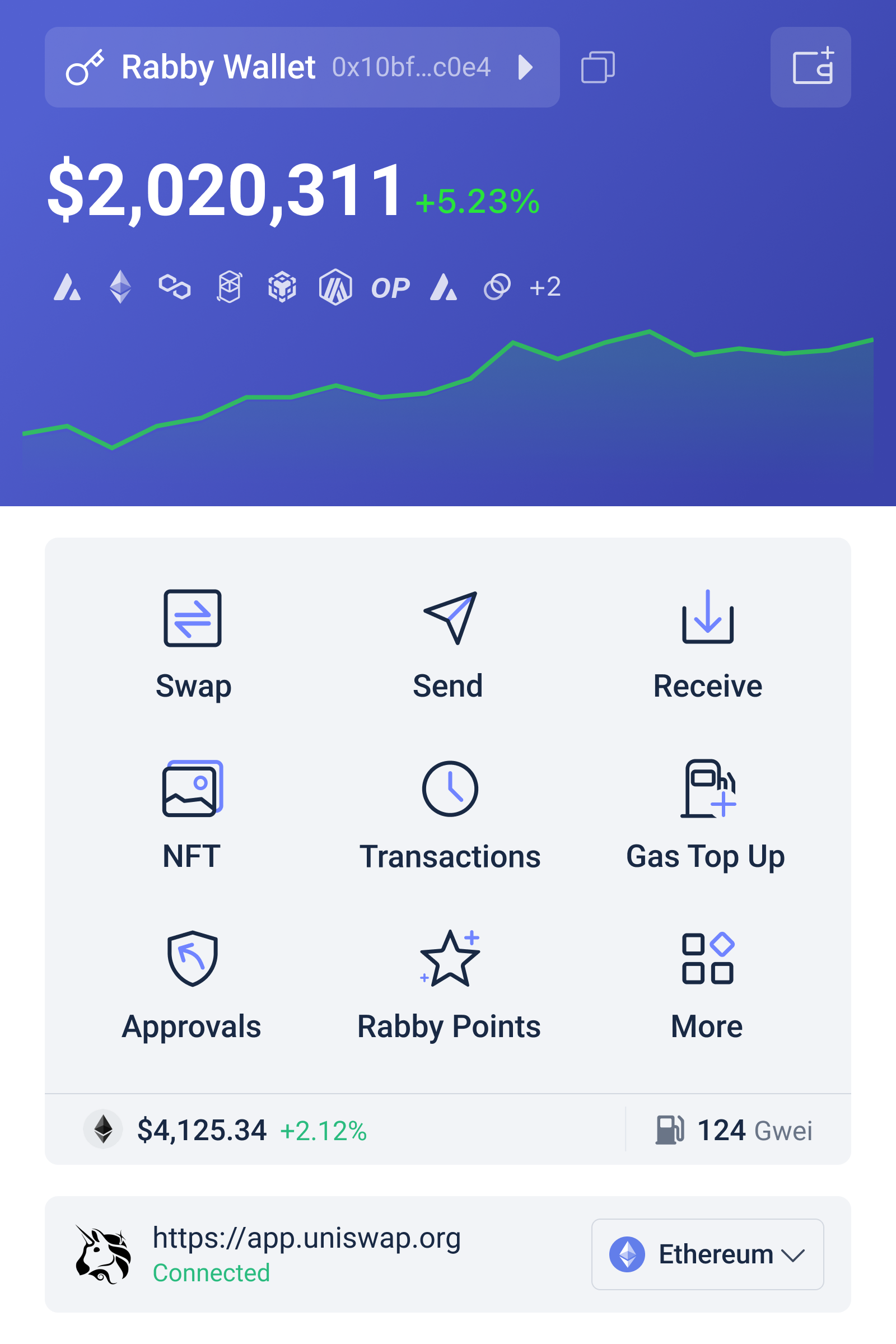
    If you want a starting point that emphasizes simulation and safety, look at products that document their approach clearly and let you inspect the underlying execution trace—one such place to start is https://rabby-wallet.at/.

    I’m not saying it’s perfect, and I’m not 100% sure every scenario’s covered, but it’s the kind of direction that will reduce dumb losses and increase trust over time.

    Whoa!

    Developer tooling matters too.

    Exposing simulation APIs for dApp integrators helps align UX across ecosystems; otherwise each app reimplements fragile checks and yields inconsistent behavior.

    On-chain composability means a malicious-looking transaction in one context may be legitimate in another, so contextual metadata and integrator opt-ins improve accuracy and reduce false alarms.

    Designing those integrations requires careful contract-level thinking and clear developer docs, which many teams skip at their peril.

    Really?

    Final practical takeaways.

    Add simulation early in product roadmaps, prioritize human-readable risk signals, and choose a hybrid simulation architecture to balance immediacy with depth.

    Also, educate users with small microcopy and optional explainers—most people will appreciate a clear “why this could fail” more than an intimidating stack trace.

    That’s the path to fewer mistakes, happier users, and healthier DeFi behavior overall…

    Common questions about transaction simulation

    What exactly does transaction simulation catch?

    Simulations can catch reverts, insufficient balance, failed approval flows, bad slippage, and gas underestimation among other issues; however they depend on the fidelity of the forked state and the breadth of checks implemented by the wallet or service.

    Can simulations be gamed or bypassed?

    Yes—if a simulation service uses stale state or ignores certain external calls, attackers can craft transactions that pass the sim but fail live; robust solutions update state frequently, support deep tracing, and treat simulations as probabilistic signals rather than guarantees.

  • Why I Trust a Hardware Wallet + Ledger Live for My Bitcoin (and Why You Should Too)

    Whoa! I remember the first time my gut sank reading about a friend who lost access to their coins—just like that, gone. It felt personal. My instinct said: get a hardware wallet right now. But, you know, instinct is one thing and real safety is another; initially I thought any wallet would do, but then I dug in and realized the difference between convenience and properly hardened security.

    Here’s the thing. A hardware wallet keeps your private keys off the internet. Short sentence. That simple fact changes the threat model dramatically. On one hand you avoid online compromise through malware or phishing; on the other, you add physical custody responsibilities and a tiny bit of practical overhead that’s very very worth it if you value your crypto.

    I’m biased, sure. I keep multiple backups and practice the rituals—PIN, seed phrase stored offline, firmware updates checked—but I’m also realistic. Hardware wallets can still be misused if you skip a step. So this piece is less about hype and more about how to use Ledger Live with a Ledger device in ways that actually reduce risk. (oh, and by the way… always verify downloads from the source.)

    Ledger hardware wallet on a wooden table next to a notepad with recovery words

    How Ledger Live Fits Into the Picture

    Seriously? Yes. Ledger Live is the desktop and mobile companion app that talks to your Ledger device. It doesn’t hold your private keys; it simply provides a UI for viewing balances, installing app modules on the device, and creating and signing transactions with the keys that never leave the hardware. Medium sentence. Longer thought: when used correctly—meaning you verify addresses on the device screen, confirm transactions on the device itself, and keep the computer that runs Ledger Live reasonably clean—you get the convenience of software with the security posture of hardware.

    My process is simple: check device firmware, open Ledger Live, review accounts, prepare a transaction, verify details on the device, then confirm. Short. It sounds obvious, but many people skip the verification step. Really, that’s the moment where your security either stands strong or collapses because malware can change an address on your computer but it can’t change what’s shown on the physical device unless the device firmware is compromised.

    Practical Safety Habits I Use (and Recommend)

    Hmm… first, always create your seed on the device itself. Do not type it into a computer, do not photograph it, and do not store it on cloud services. Short. Write it down using a clear method—metal backup if you can afford it—and store across different secure locations. On the subject of PINs: use a strong PIN you can remember, but not something obvious. On the one hand a long PIN is safer; though actually, a PIN that you can’t recall poorly defeats the point.

    Update firmware—but cautiously. Firmware updates patch vulnerabilities and add features. Medium sentence. But, and this matters, only update from the official source and follow the device prompts; if something feels off, pause and verify before you proceed. Initially I thought “auto-update is fine,” but then realized manual vetting prevents supply-chain surprises and bad timing.

    Also, enable a passphrase if you want plausible deniability or extra account separation. My instinct said it was overkill at first. Actually, wait—let me rephrase that—it’s an advanced tool and should be used carefully because if you lose the passphrase you lose access entirely. So test your recovery routine before you commit large funds.

    One more habit: I always check receive addresses on the device screen before giving them to anyone or using them myself. Short. Malware can alter what your computer shows. The device is the last line of truth.

    Dealing with Ledger Live: Tips & Pitfalls

    Okay, so check this out—Ledger Live is convenient. It tracks multiple coins, manages apps on the device, and helps you interact with the network without exposing keys. But here’s what bugs me: people sometimes assume Ledger Live is infallible. It’s a tool, not a bodyguard. Use it, respect it, and verify manually when in doubt. Short. If you ever see prompts asking for your recovery phrase, run.

    When downloading Ledger Live, always use the link from the manufacturer or an authoritative source; do not grab copies from random forums or unverified mirrors. I link to a download resource I use, and you can find it as ledger in case you want one place to start. Medium sentence. Again: only one official install, verify checksums where provided, and keep your OS patched.

    It’s tempting to multitask—handle transactions while answering emails, or use public Wi‑Fi in a cafe—but resist. Longer sentence with nuance: a compromised laptop on an open network can undermine your safety posture even if the hardware wallet holds the keys, because social engineering and clipboard malware are real risks that make otherwise safe workflows risky.

    FAQ

    Can Ledger Live steal my coins?

    No. Ledger Live does not hold your private keys. Short. The app creates unsigned transactions and sends them to the Ledger device to be signed. However, a compromised computer can attempt to trick you; that’s why you should always verify transaction details on the hardware device screen before approving.

    What if I lose my Ledger device?

    Recover using your seed phrase on a new compatible device or supported wallet. Medium sentence. And a quick practical note: if you used a passphrase, be sure you remember it—or your recovery will be incomplete, so test your recovery method safely when funds are small or in a sandbox environment.

    I’ll be honest: there’s no perfect solution. My approach mixes automation and ritual. Some parts feel a bit old-school—paper backups, writing words in a safe—while others are modern: regular firmware checks and segregated accounts. In the end, protecting bitcoin is partly technical and partly behavioral; you can buy the right tools, but you also have to adopt the right habits. Yeah, it’s a little bit of work. But when you think about what you’re protecting, that work seems small.

    Final thought—remember that security is an ongoing practice, not a one-time checkbox. Keep learning, stay skeptical, and practice your recovery steps. Somethin’ about that routine gives you peace of mind, and peace of mind is worth more than the hassle.

  • Request a Quote

    Request a Quote

    Experiencing a business dilemma?
    Contact MENA-GATE Group, we can help and solve your company’s complex problems. We will provide you with the right solutions and connections to achieve your right goals.
    Request a service quotation How to reach us
    Request a service quotation


    We are here to help
    Request A Quote

    MENA-GATE Group aims to help pharmaceutical companies effectively and efficiently in entering and exploring new opportunities in MENA region by providing a wide range of services and business models.

    MENA-GATE Group is relying heavily on our strategic selection of potential markets and successful partners locally and globally.

    How to reach us


    Providing the best solutions to access the opportunities
    How to
    reach us


    • 106 – 303 Albashaeer compound,
      6 October Geza – Egypt

    • info@mena-gategroup.com

    • (+20) 114 312 0000


    Facebook


    Twitter


    Pinterest


    Linkedin


    Youtube


    Whatsapp

    We are here to help
    Request A Quote

    MENA-GATE Group aims to help pharmaceutical companies effectively and efficiently in entering and exploring new opportunities in MENA region by providing a wide range of services and business models.

    MENA-GATE Group is relying heavily on our strategic selection of potential markets and successful partners locally and globally.

    Providing the best solutions to access the opportunities
    How to
    reach us


    • 106 – 303 Albashaeer compound,
      6 October Geza – Egypt

    • info@mena-gategroup.com

    • (+20) 114 312 0000


    Facebook


    Twitter


    Pinterest


    Linkedin


    Youtube


    Whatsapp

  • How to reach us

    How to reach us

    Experiencing a business dilemma?
    Contact MENA-GATE Group, we can help and solve your company’s complex problems. We will provide you with the right solutions and connections to achieve your right goals.
    How to reach us Request a service quotation
    How to reach us


    Providing the best solutions to access the opportunities
    How to
    reach us


    • 106 – 303 Albashaeer compound,
      6 October Geza – Egypt

    • info@mena-gategroup.com

    • (+20) 114 312 0000


    Facebook


    Twitter


    Pinterest


    Linkedin


    Youtube


    Whatsapp

    Request a service quotation


    We are here to help
    Request A Quote

    MENA-GATE Group aims to help pharmaceutical companies effectively and efficiently in entering and exploring new opportunities in MENA region by providing a wide range of services and business models.

    MENA-GATE Group is relying heavily on our strategic selection of potential markets and successful partners locally and globally.

    Providing the best solutions to access the opportunities
    How to
    reach us


    • 106 – 303 Albashaeer compound,
      6 October Geza – Egypt

    • info@mena-gategroup.com

    • (+20) 114 312 0000


    Facebook


    Twitter


    Pinterest


    Linkedin


    Youtube


    Whatsapp

    We are here to help
    Request A Quote

    MENA-GATE Group aims to help pharmaceutical companies effectively and efficiently in entering and exploring new opportunities in MENA region by providing a wide range of services and business models.

    MENA-GATE Group is relying heavily on our strategic selection of potential markets and successful partners locally and globally.

  • Our Services

    Our Services


    Providing the best solutions to access the opportunities

    Market Access Management

    Select the right market and the right partners; through our network we will direct you to a variety of potential and trusted partners will play a role in managing the communication and guiding you during the agreement negotiation process.


    Request this service


    Providing the best solutions to access the opportunities

    Regulatory Assistance

    Overcoming complex regulations and access hurdles, shorten time to market and accelerated registration through our regulatory expertise all over the region will provide excellence in the process effectively and efficiently.


    Request this service


    Providing the best solutions to access the opportunities

    Pharmacovigilance activities Management

    MENA-GATE Group can provide our specialised support to Marketing Authorisation Holders (MAHs) to meet the Good Pharmacovigilance Practice (GVP) Guidelines through various activities including:

    • Proper maintenance of the Pharmacovigilance System Master File
      (PSMF).
    • Taking over the Qualified Person for Pharmacovigilance (QPPV) and
      QPPV deputy roles.
    • Ensuring a functioning Pharmacovigilance system is in place for both business hours and out of hours collection.
    • Taking care of the data collection from various sources.
    • Compilation and regulatory submission of Risk Management Plans (RMPs) and subsequent implementation of applicable Risk Minimization
      Measures (RMMs).
    • Training personnel on Pharmacovigilance.
    • Providing our advice and support to MAHs while preparing for Pharmacovigilance Inspections and in the subsequent creation of necessary Corrective and Preventive Actions and their effective implementation.
    • Preparing and submitting Periodic Safety Update Reports (PSURs).


    Request this service


    Providing the best solutions to access the opportunities

    Digital Solutions

    Digital solutions are no longer optional, companies must embed a digital-first approach into every facet of the business MENA-GATE Group helps the partners to grow in today’s hypercompetitive marketplace.

    MENA-GATE Group is ready to provide you with:

    • ERP.
    • CRM, CLM.
    • eCTD.
      Pharmacovigilance Software solution (PV-Pedia).
    • E-learning.
    • Online consultation solution for healthcare professionals.
    • Hospital management.
    • Health Insurance Management.
    • Waste management.
    • Webinars.


    Request this service

    Interested in

    OUR SERVICES?


    Let’s get started

  • Company Profile

    Company Profile


    Ready to help you
    We help
    pharmaceutical companies effectively and efficiently

    Professional team with a proven regional track record in leading multinational organization, with extensive experience and market Knowledge and eminent network with key player all over MENA region. our experiences in regional management, regulatory affairs, product licensing and distribution.

    MENA-GATE Group aims to help pharmaceutical companies effectively and efficiently in entering and exploring new opportunities in MENA region by providing a wide range of services and business models.

    Bridging the access gap, utilizing MENA-GATE Group regional network to partner with companies to seize the opportunities of entering the fastest-growing markets in the ME and North Africa Region with growing economies which are expected to grow rapidly in the next few years.

    MENA-GATE Group is relying heavily on our strategic selection of potential markets and successful partners locally and globally.

    MENA-GATE Group is committed to perform with integrity and according to local and international laws and regulations.


    Ready to help you
    Our
    Vision & Mision

    Our vision is to be the lead in offering market access management and solutions that are high in quality and proven to be effective and efficient in their practices.

    We aim to reduce the cost of healthcare while helping pharmaceutical companies improving the quality for the needs of the communities we serve.

    Our fundamental purpose is to help potential customers to be able to choose the best market through our global and local partners.

    Our Mission

    Our mission is to always improve the quality of services we provide and the quality of work for all our clients with our products and solutions.

    Clarity – We are focused on goals and results and assume responsibility for the tasks and projects that we take on.

    Loyalty – We want to represent and present our company positively to the outside world. Responsibilities and loyalty is a two-way street.

    Pride – We are proud of the company’s achievements and for being part of a team that benefits the people.

    Respect – We deal with each other in a respectful manner, and we welcomed diversity of opinion.


    List Of References

    1. Australia
    2. Austria
    3. Belgium
    4. Canada
    5. Denmark
    6. Finland
    7. France
    8. Germany
    9. Iceland
    10. Ireland
    11. Italy
    12. Japan
    13. Luxemburg
    14. Netherland
    15. Newzeland
    16. Norway
    17. Portugal
    18. Spain
    19. Sweden
    20. Switzerland
    21. United Kingdom
    22. United States

    List of reference BOOKS

    1. British-National-Formulary (BNF)
    2. Rote-list
    3. Vidal
    4. Compendium Swiss
    5. Orange Book
    6. FOOD AND DRUG ADMINISTRATION( FDA)
    7. Physician’s Desk Reference (PDR)
    • FDA: FOOD AND DRUG ADMINISTRATION
    • TGA: THERAPUTIC GOODS ADMIMSTIRATION
    • EMEA: EUROPEAN MEDICINES AGENCY
    • MHRA: Medicines and Healthcare products Regulatory Agency


    Our Teamwork
    Dedicated professional team

    Our team is the secret to our success. Each one is amazing in his own right, but together they are what makes our company such a fun and rewarding place to work.

    Our team is a talented group with a shared vision of delivering consistently great results for our clients, as well as ensuring MENA-GATE Group is a challenging place to work and develop a rewarding career.

    MENA-GATE Group has always been a company defined by bringing together talented people with a shared vision and passion for helping us to be the best we can be for our clients.

    All of our employees are unique individuals who are united by a set of core vision and mission that apply to everything we do within our company.