Mid-scroll I paused. Whoa!
Something about on-chain dashboards grabbed me recently. Seriously? Yes—because the noise around Solana often hides clean signals, and for traders, devs, and curious users those signals matter. My instinct said this is the layer where you can actually understand behavior, not just price swings. Initially I thought explorers were just glorified block viewers, but then I spent a week deep-diving into token flows and realized how wrong that was.
Here’s the thing. Exploration tools give visibility into who moved what token, when, and through which smart contracts. Wow! That visibility changes how you validate claims, debug apps, and track liquidity. On one hand, a token transfer looks simple; on the other hand the same transfer can reveal routing through DEXes, fee anomalies, or front-run attempts, if you know where to look—and you do need a little practice to read the clues.
Let me tell you about a case. I was investigating a sudden token supply spike that a community flagged as suspicious. Hmm… initially I looked at the mint address and thought it was a rug. But looking closer, I found controlled mints reserved for vesting, moved through an intermediary program, then burned in a different wallet. The ledger told the story, once decoded. It wasn’t just raw numbers. There were human patterns: repeated timestamps, similar gas footprints, and the same account popping up in different roles. That pattern repeatedly masks or reveals intent.
Analytics best practices come down to three simple actions. Track token holder composition over time. Check program interactions instead of just plain transfers. Correlate transfers with on-chain events like minting or metadata updates. Really? Yes—correlation often trumps single-event interpretation. My advice: set up habitual checks, because somethin’ small today can blow up tomorrow.
Practical tools and workflows
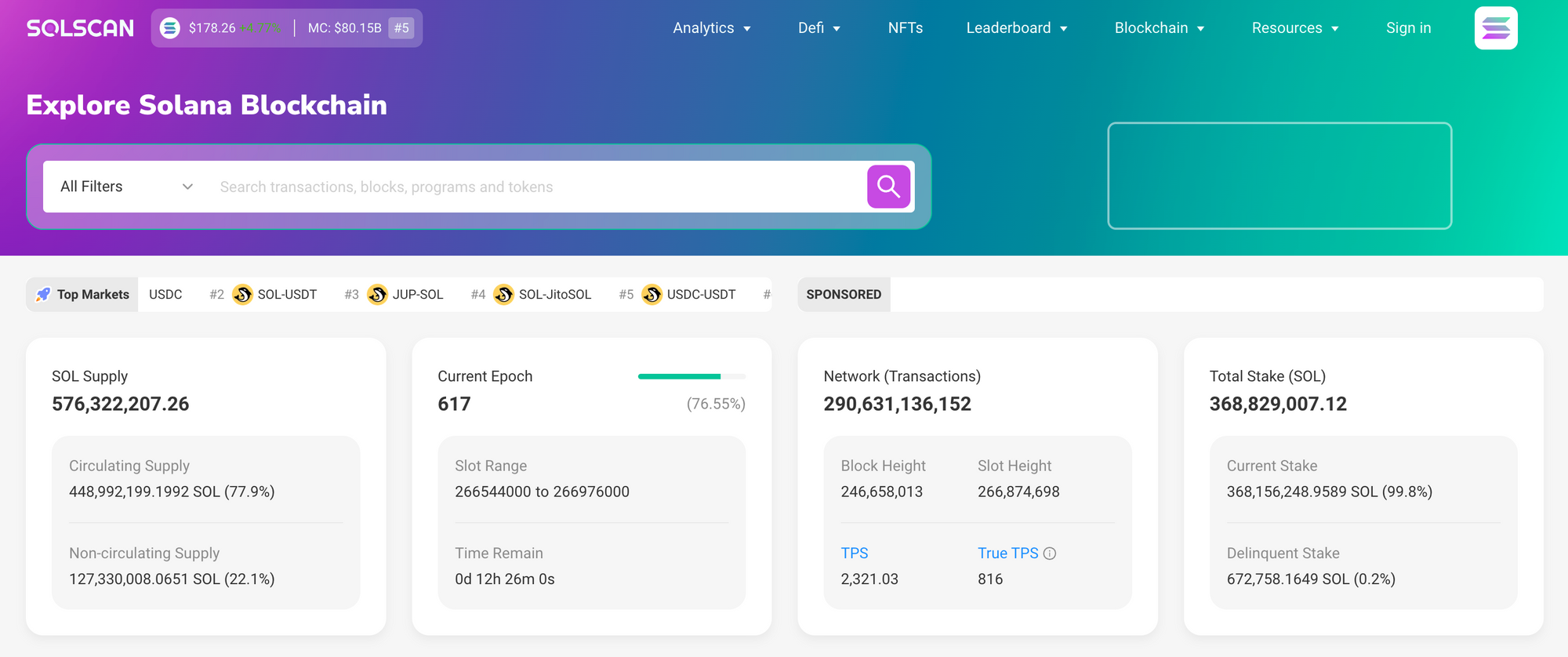
Okay, so check this out—there are explorers focused on raw blocks, and then there are analytics-first platforms that layer token graphs, holder distributions, and transaction breakdowns. I use an explorer daily as my first line of inquiry. The interface that helped me the most was a clean token tracker with exportable holder lists and a neat transaction visualization. One of my go-to references is the solscan explorer official site, which I often pair with on-chain dashboards and custom scripts for batch analysis.
Start small. Pull the token history. Look at ten recent holders. Then expand to a hundred. Seriously, the signal emerges quickly. If holder concentration is high, risk is higher. If transfers pass through liquidity pools quickly, beware of pump-and-dump patterns. On complicated chains, smart contracts can obfuscate intent; on Solana, the program interaction model makes traces easier to follow, but you still need to read logs and parse instruction data to understand the why. Initially I relied on visual charts, but now I parse raw instruction logs for nuance—actually, wait—let me rephrase that: I use charts for triage and logs for confirmation.
Alerts are a saver. Set alerts for new mints, sudden holder changes, or large transfers. I set one for whenever a token’s top five holders shift by more than 10% within a day. It fired on a weekend and saved a community from a messy fork discussion. Automation does the heavy lifting. On the flip side, too many alerts become noise, so tune them carefully. (Oh, and by the way…) keep a small list of trusted on-chain patterns and false positives—it’s very very important.
Transaction forensics goes beyond amounts. Look at pre- and post-balances, account rent changes, and upward or downward nonce patterns. Watch for rapid back-and-forth swaps across DEXes; that’s often a sign of sandwich activity or liquidity probing. My gut said something was off in one token’s activity, and the logs confirmed it: repeated small swaps with similar gas footprints, then a large exit. That pattern is classic and pretty clear once you know it.
Designing a token-tracking checklist
Use this mental checklist when you audit a token: check supply history, holder concentration, program permissions, recent program upgrades, and unusual instruction types. Short checks first. Deeper checks next. If you see program upgrades, pause and inspect upgrade authorities. If you see many newly created accounts receiving the token, suspect airdrops or wash trades.
Also, collaborate. Share findings with the team or a community channel. I’m biased, but a second pair of eyes usually spots overlooked clues. When I shared a suspicious pattern, another user pointed out a known relay program used in previous incidents. That saved time, and it reinforced a rule: community memory matters.
FAQ
How do I start tracking a token on Solana?
Begin with an explorer and a token tracker view. Pull the token’s mint address, export the top holders, and scan recent transfer instructions. Use filters for program interactions. If you want an easy start, visit the solscan explorer official site for token pages and history, then export data into a spreadsheet for deeper analysis.
What signs suggest a token is risky or manipulated?
High holder concentration, frequent small transfers followed by a large dump, unknown upgrade authorities, and interactions with obscure programs are red flags. Rapid creation of many wallets receiving the token is also suspicious. Combine these signs rather than relying on one metric alone.